InkSmithery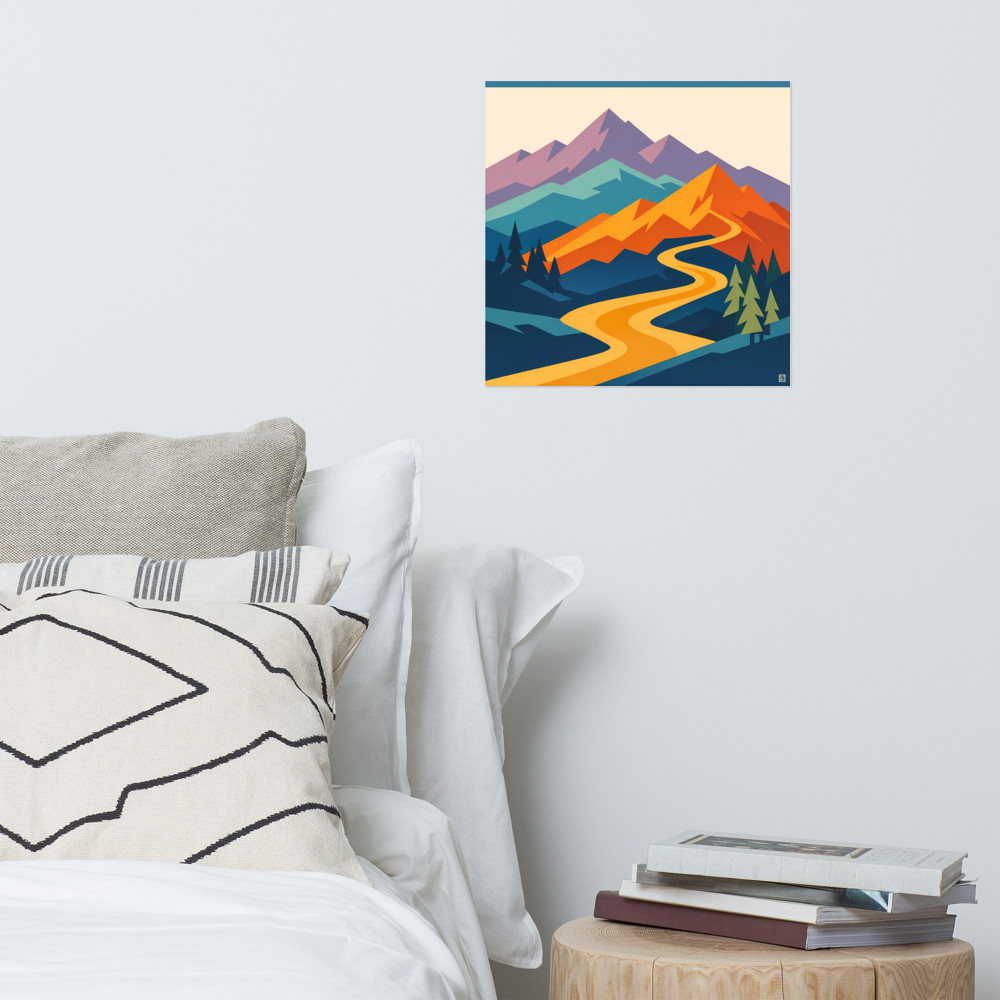
Buying art as a gift for someone who actually knows art
There's a particular flavour of dread that comes with buying art for a friend who knows about art. You want to show you've paid attention. You also don't want to end up in that awkward loop where they smile politely, hang it in the spare room for six months, and quietly rehome it to a charity shop when you're not looking.
I've been on both sides of this. I've given art I was too pleased with. I've received art I wasn't sure what to do with. The gap between those two things is almost always the same problem: the giver treated the gift as a chance to express their own taste, rather than serve the recipient's.
So before anything else, it helps to be honest about what you're actually trying to do. Are you trying to give them something they'll live with for years? Or are you trying to be seen as someone with good taste? Those are different gifts, and only one of them is really about them.
The taste trap
Here's the thing about people who know about art. They already have opinions. Strong ones. They've spent years narrowing down what they like, and — more importantly — what they don't. Which means the surface area for you to get it wrong is enormous.
If your friend collects moody figurative oils, a bright geometric print is going to feel like you weren't listening. If they're deep into minimalist Scandinavian work, gifting them something maximalist and Victorian is a statement, but not the one you want to make. The safest instinct is to buy something that looks like what they already own — but even that's a trap, because collectors often want variety within a tightly held aesthetic, and only they know where the edges are.
My honest advice: don't try to guess the specific piece they'd choose. You'll lose. What you can do instead is buy in a category that gives them room to make it theirs.
Why prints, not originals
Originals are a lovely idea and, for someone who knows art, usually a bad gift unless you've talked to them first. A few reasons.
Originals carry weight. They're single objects, often signed, sometimes with a known artist attached to a known market. If your friend keeps up with contemporary work, they'll immediately clock whether this piece fits their collection, whether the artist is one they rate, and whether the price you paid tracks with the market. That's a lot of judgement to hang on one gift. And if it misses, an original is genuinely hard to move on — reselling feels rude, and hiding it in a cupboard feels worse.
Prints sidestep most of this. A good print is understood as a gesture rather than a commitment. It says "I saw this and thought of you" instead of "I've made a decision about your collection." It's easier to display in a less prominent spot, easier to rotate seasonally, and easier to swap out without any emotional accounting. The gift doesn't demand a permanent decision.
There's also a practical point. Prints in the £20–£60 range let you buy something considered without the receiver feeling they now owe you something equally weighted. Art gifting can quietly become a status contest, and prints keep it friendly.
Frame-able beats finished-framed
This is the bit most people get wrong. They buy a print, put it in a frame they picked, and hand over the whole finished thing. It feels generous. It looks generous. It is, in fact, one of the more controlling things you can do.
Framing is half the artwork. The choice of frame — colour, material, width, whether there's a mount, how much breathing room around the image — shapes the piece as much as the print itself does. Someone who cares about art has views on all of that. They probably have a framer they use. They may have a wall that only takes black frames, or a whole flat that's exclusively oak. By pre-framing, you've either made a decision for them or created a small chore where they have to reframe your gift and hope you don't notice.
A well-packaged unframed print, on the other hand, is an invitation. It says: here's the image, do with it what you'd do. They can frame it their way, or slide it into a stack of things they're rotating through, or eventually pin it on a studio wall unframed. You've given them the art and left them the authorship of how it lives. For a friend who genuinely cares about this stuff, that respect matters more than the extra £40 you'd have spent at the framer.
Choosing something that isn't just your taste
When you're actually browsing, try to hold your friend's rooms in your head rather than yours. What are the walls like? What's the light? What have they actually chosen for themselves recently, not what did they say they liked at that gallery in 2019?
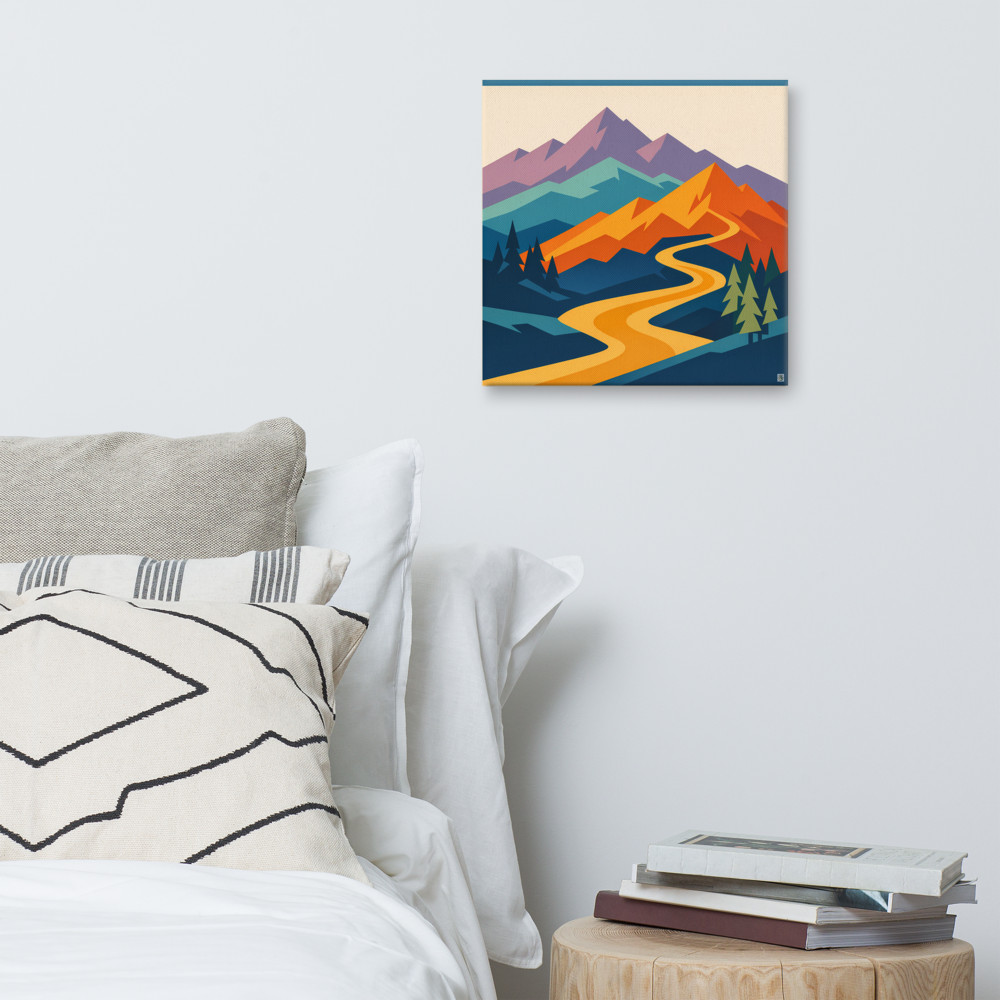
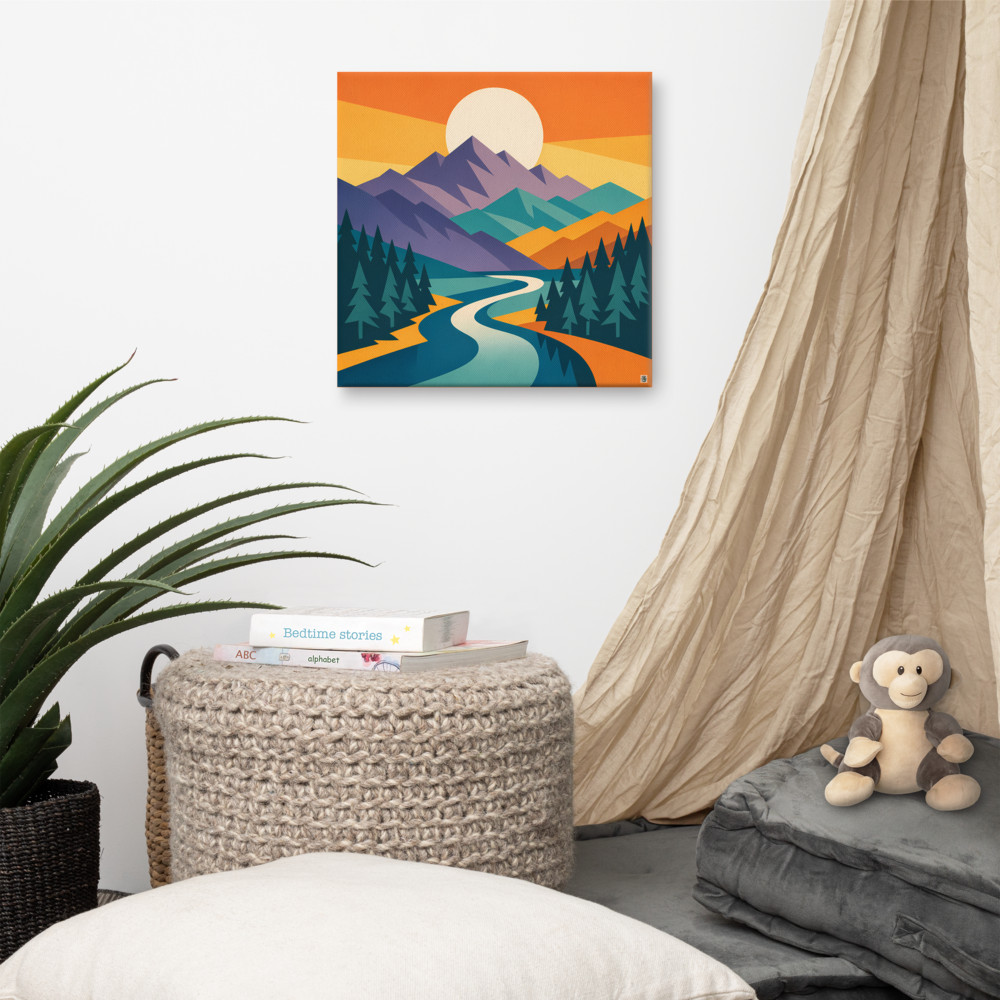
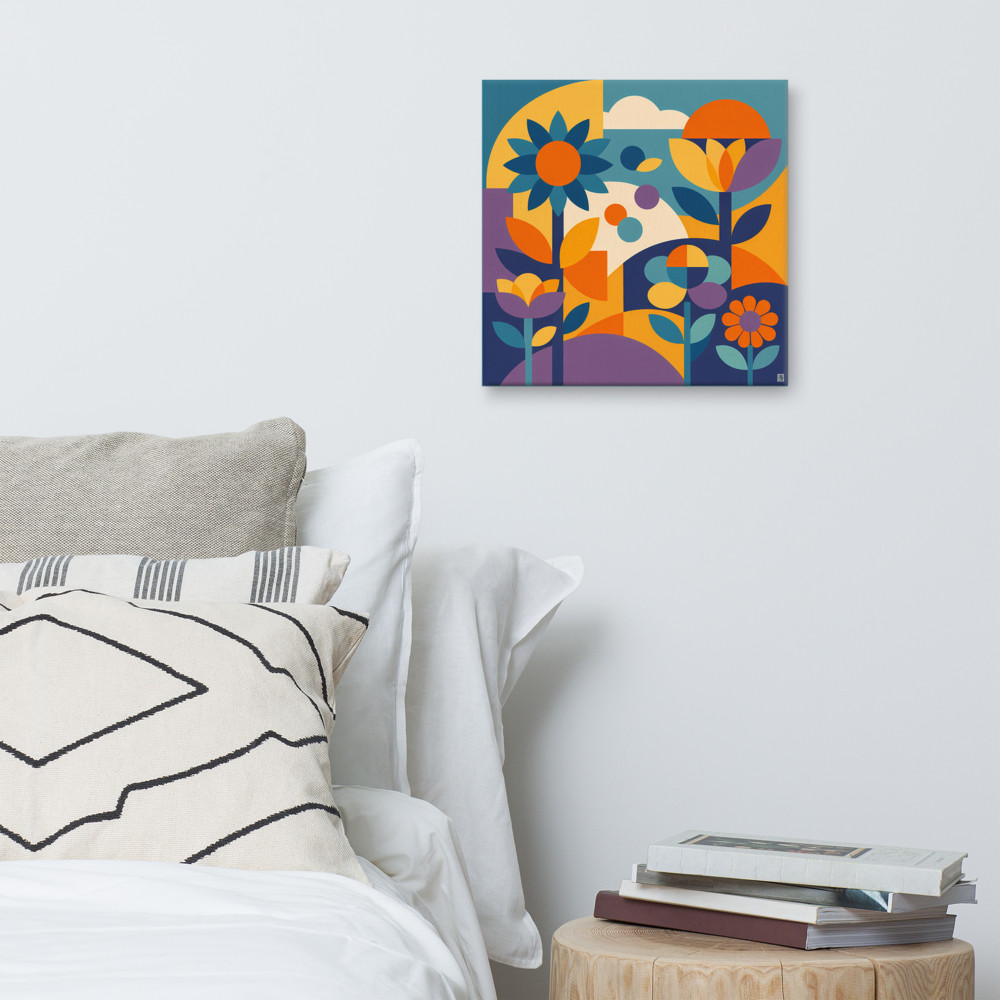
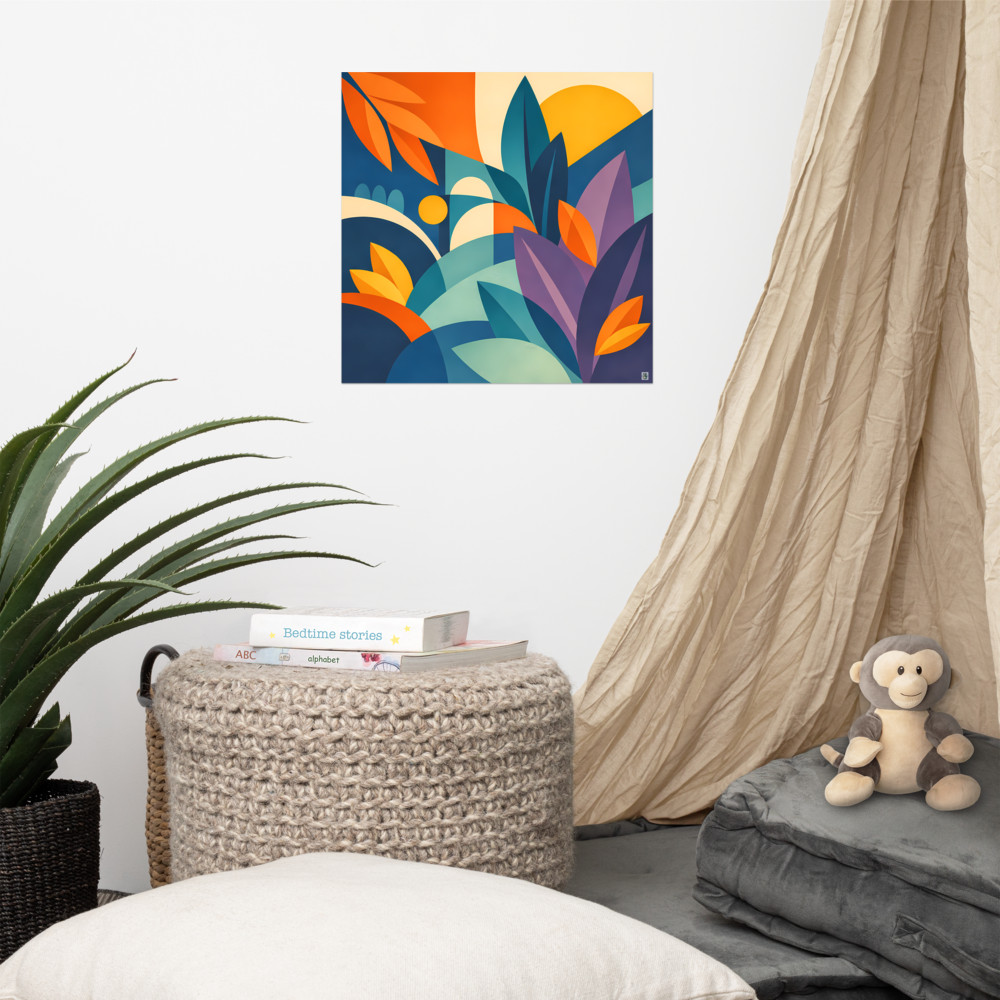
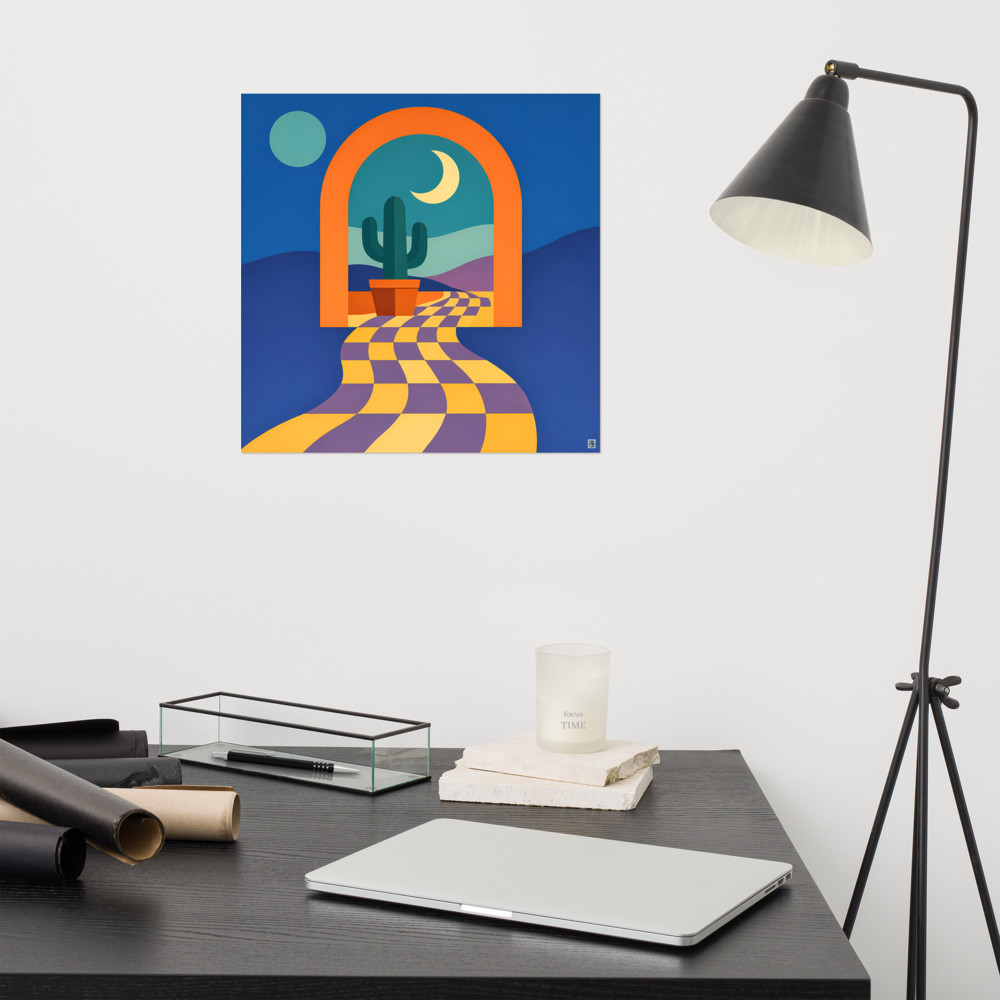
Geometric landscape work is often a decent middle ground for gift-giving, because it sits at the intersection of representational and abstract — enough subject matter to hook onto, enough stylisation to not feel literal. Something like Dawn Pass or Sunward Vale works in most rooms without shouting, and doesn't try to make a strong argument about who the recipient should be. If your friend's tastes lean more botanical or their walls are already full of landscape, Midsummer Rise is the same idea applied to plants — considered, but not pushy.
Whichever direction you go, resist the urge to buy something conversation-starting. Conversation-starting is code for "the art is doing the talking, not the room." People who know art tend to prefer work that quietly earns its place over months, not pieces that announce themselves the moment you walk in.
One last thing
If you're truly stuck, a gift card or a note saying you'd like to buy them a print of their choosing is not a cop-out. It's the most respectful version of this gift. You've said: I know you know what you want better than I do, and I'd like to contribute to it. That's a nicer thing to receive than most people realise.
The worst art gifts I've been given weren't ugly. They were just decisions made on my behalf by someone who wanted the gift to reflect them. The best ones left room for me to finish the thought.
Related articles
Mentioned in this article