InkSmithery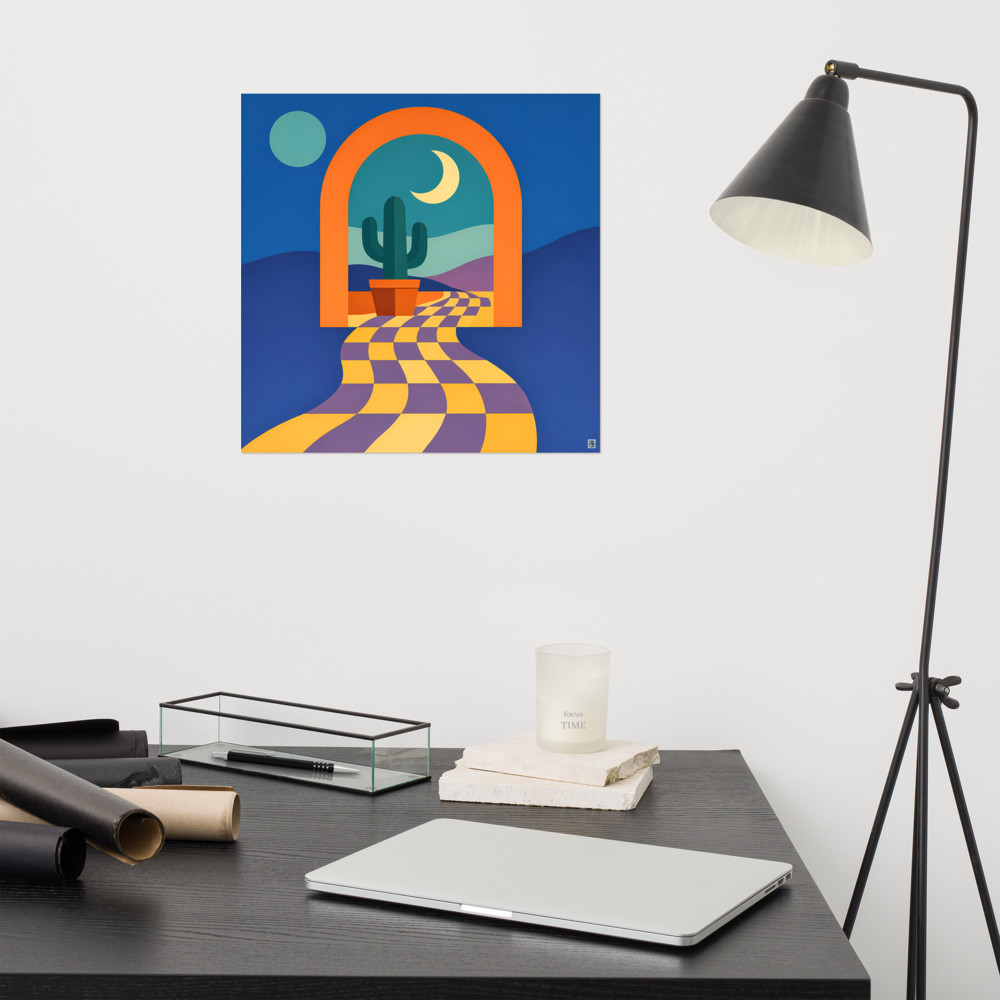
On Giving a Gift After Someone Has Died
There's a particular kind of paralysis that hits when you're trying to choose something for a friend who's lost someone. You stand in the shop, or you scroll, and everything feels wrong. Too cheerful. Too sad. Too generic. Too much. The flowers wilt in a week and feel like a reminder of a funeral. The hamper of biscuits sits half-eaten because grief kills the appetite. The cushion with a quote on it makes your friend wince every time they walk past it.
I've been on both sides of this, and I want to be honest about what I've noticed actually helps and what doesn't. None of this is a formula. Grief isn't tidy and gifts can't fix it. But the choices you make do say something, and the wrong tone lands badly for months afterwards.
What to steer well clear of
Anything performatively cheerful is the first thing to drop. I mean the bright yellow "sending sunshine!" mugs, the slogans about smiling through it, the items that essentially ask the bereaved person to perform recovery for the giver's benefit. Even when it's meant kindly — and it almost always is — it puts pressure on someone who has none to spare. They don't need to cheer up for you. They need permission to feel awful for as long as it takes.
Next, anything that names the loss too directly. The picture frames engraved with "In Loving Memory", the keepsakes with dates carved into them, the sympathy-card-shaped objects. Some people genuinely want these, particularly later on, but as an early gift from a friend rather than family, they can feel like being handed your grief back in a box. If you're not absolutely sure the person wants memorial-specific items, don't risk it.
Also worth avoiding: anything that demands a project. A puzzle, a craft kit, a recipe book, a planner. The thinking is sweet — distraction, a thing to do with their hands — but grief tanks executive function. Being given a project you can't summon the energy to start just becomes another small failure sitting on the coffee table.
And, gently, anything that needs maintenance. A plant they have to keep alive. A subscription they have to manage. A candle that needs trimming. The bar for upkeep should be zero.
Why something to look at every day actually matters
The most useful thing I've ever been given in a hard year was a small framed print. I didn't realise at the time why it worked, but I think I do now.
Grief is loud in the early weeks and then it goes strange. It doesn't leave — it just stops being the main event and starts living quietly in the background of ordinary mornings. The kettle. The walk to the bus stop. The five minutes before bed when the house is too quiet. Those moments are where a thoughtful gift after loss earns its keep, because they're the moments your friend is alone with it.
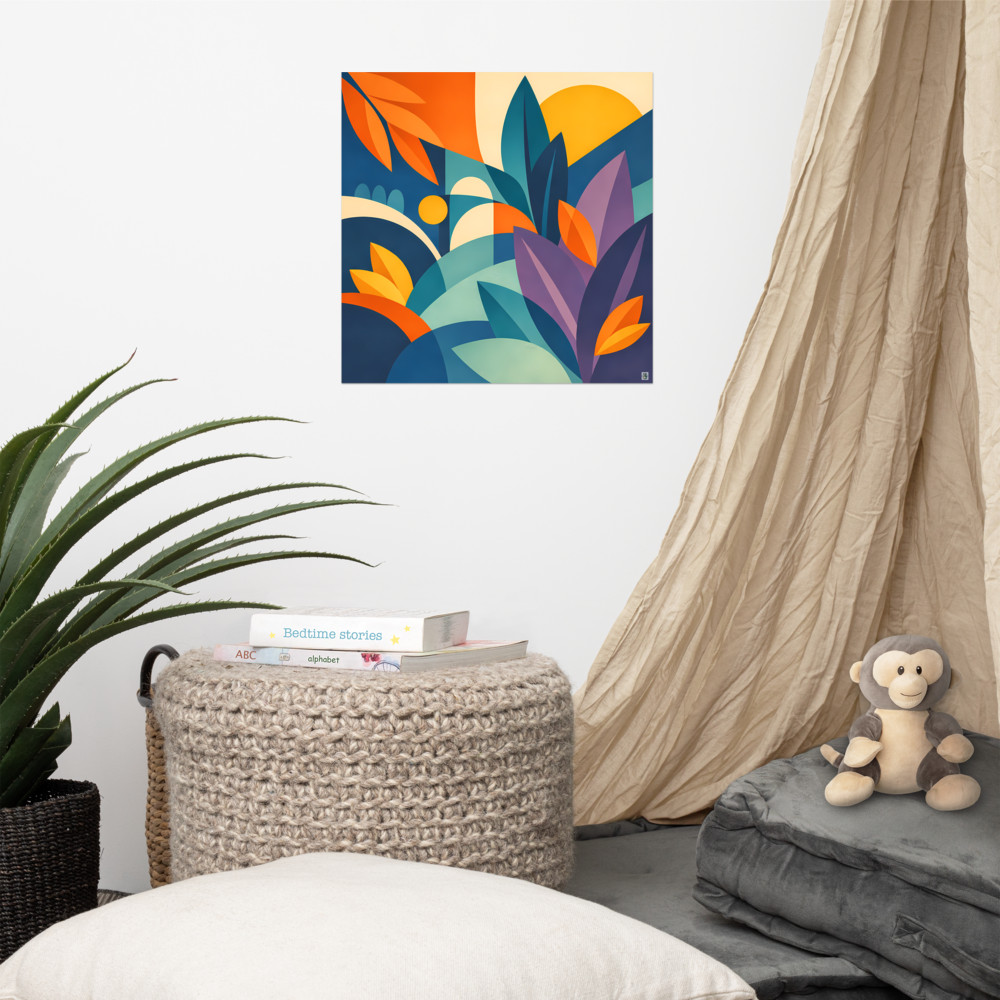
Something visual, hung somewhere they'll see it daily, does a quiet kind of work. It's not asking anything. It's not making them remember (they haven't forgotten). It's just there, calm, while everything else is not. A print of a landscape they can disappear into for a second. Something with space in it. Something with a moon in it, often — there's a reason so many people gravitate towards night imagery when they're grieving, and I don't think it's coincidence. Night feels like permission to be still.
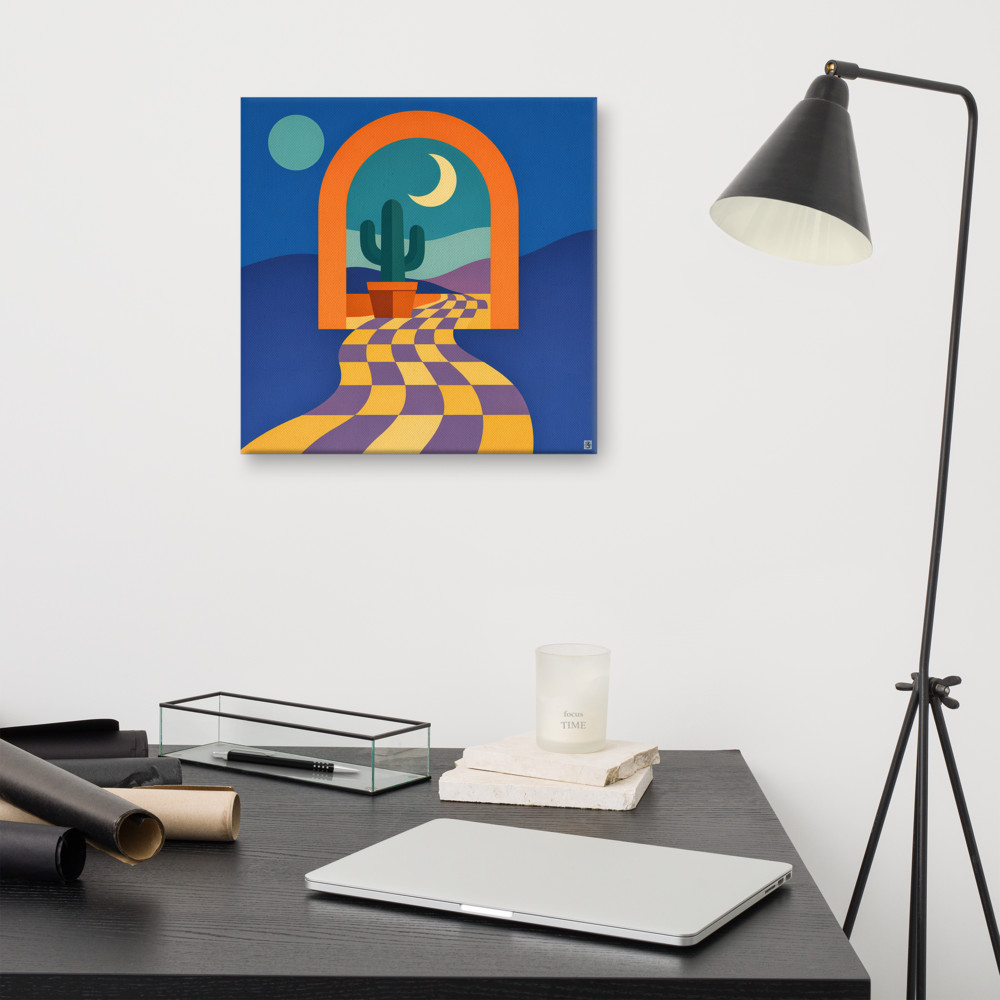
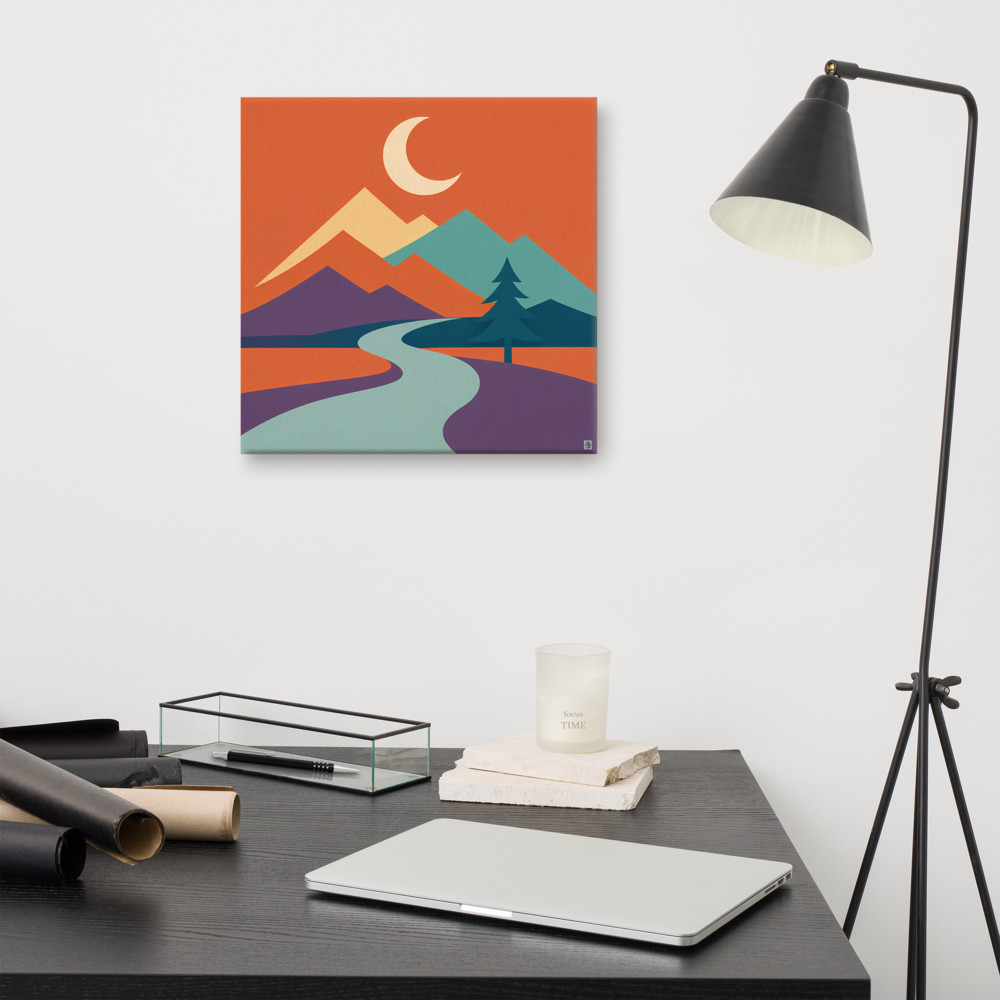
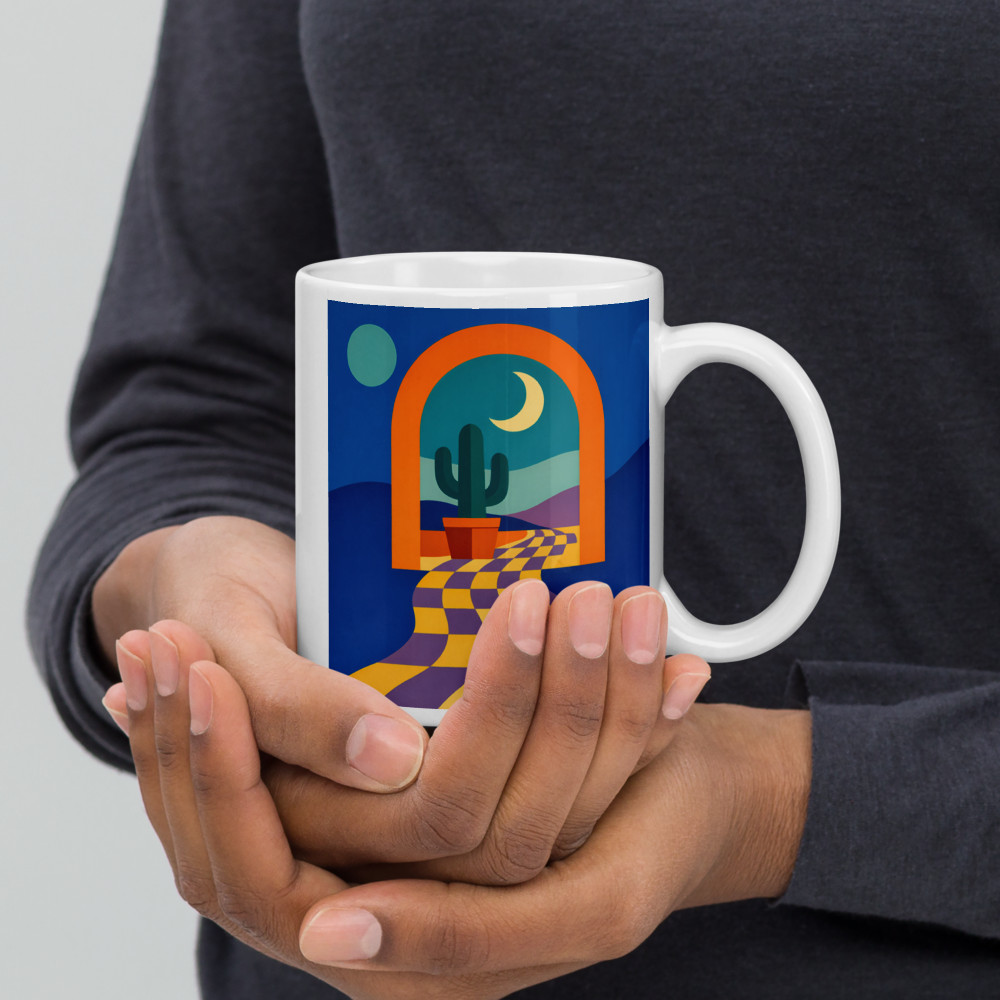
If you're choosing along those lines, I'd lean towards images that have stillness rather than statement. Something like Moonlit Pass, with its quiet crescent over the mountains, sits well in a hallway or above a desk without ever demanding to be noticed. Night Passage does a similar thing in a slightly more dreamlike key — useful if your friend is the sort who finds comfort in a bit of surrealism rather than realism. The point isn't the specific design. The point is choosing something that feels like an exhale.
Tone is the whole game
When people ask me for sympathy gift ideas, what they're really asking is how to get the tone right. And honestly, the tone test I use is simple: would this object embarrass the person if their grief flared up while they were looking at it? If the answer is no — if it would just sit there quietly with them — you've probably chosen well.
This is also why I think art often works better than the more obvious sympathy categories. A print doesn't say "I know you're sad." It says "I thought of you, and I thought you'd like this." That's a much smaller, easier thing to receive. There's no script the recipient has to perform. They can hang it up, or not. Look at it, or not. Cry at it on a Tuesday in March for reasons they can't explain, or not. The gift doesn't keep score.
If you do go down this route, a few practical things worth knowing. Smaller is usually better than bigger — a A4 or 30cm-ish print is easier to find a home for than something enormous, and doesn't demand a wall be cleared for it. Unframed prints give the recipient control over how and when to frame it, which can be a kindness in itself. And neutral palettes (cream, dusk blues, soft earth tones, the sort of range you'd find in something like Dune Passage) sit in almost any room without clashing with what's already there.
What to write in the card
Short. "Thinking of you. No need to reply." That last bit matters more than people realise. Grief makes correspondence exhausting, and a gift that arrives with the implicit expectation of a thank-you note becomes another item on a list your friend can't face.
Say you loved the person who died, if you did. Say you're around, if you are. Don't say everything happens for a reason. Don't say they're in a better place. Don't say you can't imagine — your friend would rather you tried.
And then send the thing, and don't ask whether it arrived, and trust that even if you never hear about it again, it's probably sitting on a shelf somewhere, doing the quiet work you hoped it would.
Related articles

Mentioned in this article