InkSmithery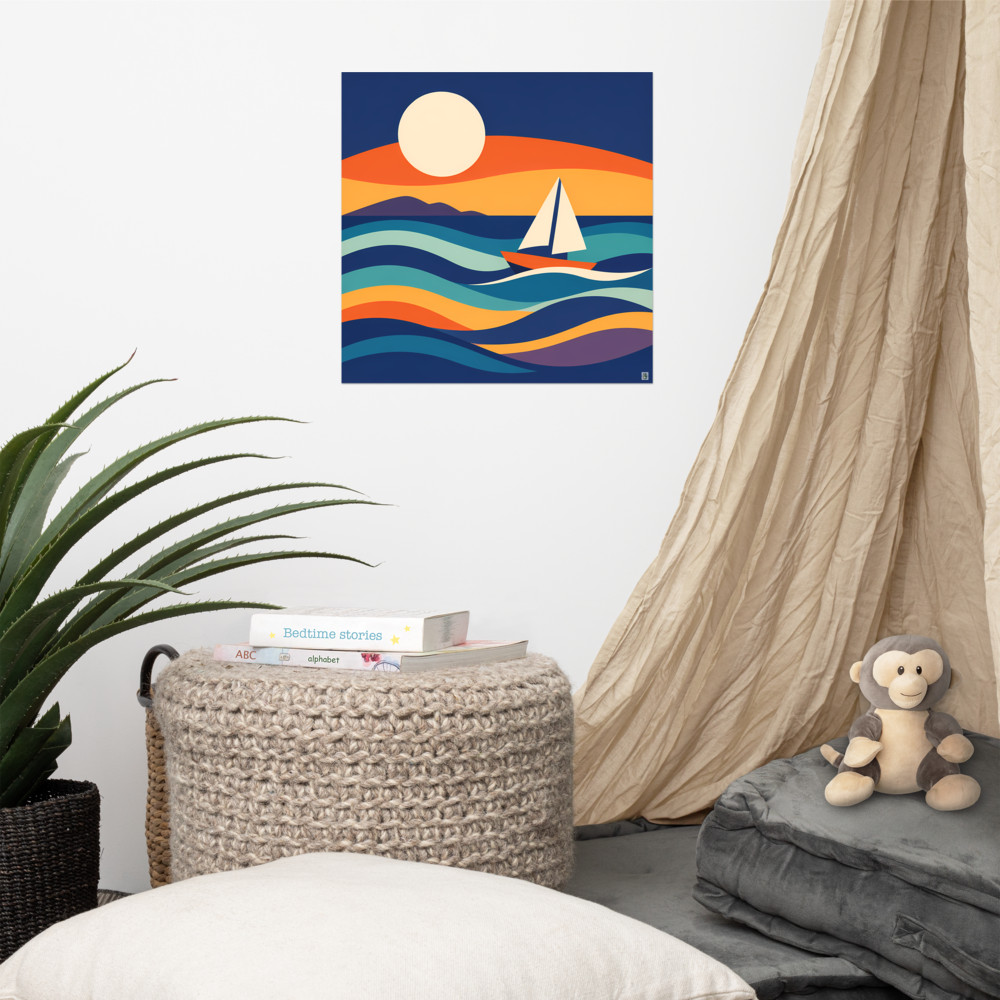
Storing Unframed Prints So They Stay Flat and Unmarked
Most prints don't get ruined hanging on the wall. They get ruined sitting in the spare room, leaning against a radiator, or curled inside the tube they arrived in eighteen months ago. If you've bought a print you love and haven't quite worked out where it's going yet, the way you store it in the meantime matters more than people tend to think.
The short version: flat is almost always better than rolled, paper hates being touched by anything acidic, and humidity is the quiet villain. The longer version is below, because there are a few real trade-offs depending on what you've got and how long you're storing it for.
Flat storage is the gold standard, and it's easier than it sounds
If you can store a print flat, do. Paper has a memory. Leave it curled for a year and it will resist lying flat forever after — even under glass it'll try to bow outward at the corners. Leave it flat and it stays in the shape it was printed in, which is the shape your frame expects.
The setup doesn't need to be fancy. A large, rigid portfolio folder works. So does a clean, shallow drawer, or a couple of sheets of stiff acid-free board sandwiching the print and slid under a bed. The key bits:
- The print sits between two sheets of acid-free tissue (sometimes sold as glassine or archival tissue). One sheet above, one below. This stops the print surface touching anything that might off-gas, transfer ink, or leave a mark.
- The whole sandwich goes between two pieces of rigid board so nothing can bend it. Foam board, mount board, or even thick cardboard will do for short stretches.
- It lives somewhere with stable temperature and low humidity. Not the loft. Not the garage. Not on top of a wardrobe directly under a spotlight.
That's genuinely it. The reason this works so well is that paper degradation is mostly about acid migration and physical stress, and a flat, tissue-wrapped, board-sandwiched print isn't really experiencing either.
A quick word on acid-free tissue specifically: regular tissue paper from a gift wrap drawer is not the same thing. It's often lignin-heavy and will yellow, and worse, can transfer that yellowing to whatever it's touching. Buy the proper stuff. It's a few pounds for more than you'll ever need, and it lasts decades in a drawer.
Rolled storage, and why tubes are a compromise rather than a solution
Prints arrive rolled because rolled prints survive the post. That's the whole reason. It's a shipping decision, not a storage decision, and the two often get confused.
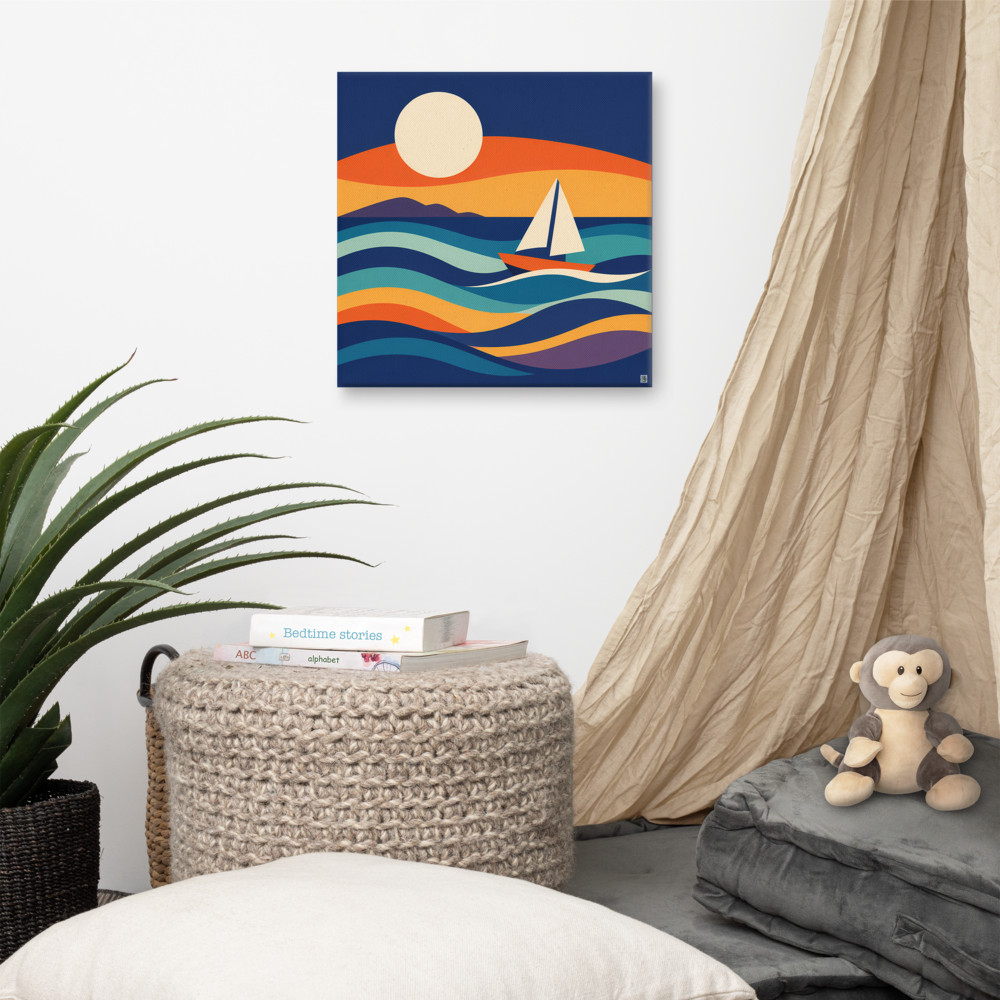
If you've just received a print — say a long landscape format like Harbour Afterglow — the kindest thing you can do is take it out of the tube within a week or two, let it relax flat under some books (with tissue between print and book, please), and then store it properly. The longer it sits curled, the harder it fights you later.
If you genuinely have to keep something rolled — maybe it's too large for any flat storage you can manage — there are a few things worth knowing about tubes:
Cardboard tubes are slightly acidic. Over months and years that acidity migrates into anything pressed against the inner wall. You'll sometimes see a faint brown tide-line on prints that have lived in a tube for too long, especially along the outermost edge of the roll. The fix is to line the tube with acid-free tissue before the print goes in, and to roll the print with the printed side facing outward, not inward. Counter-intuitive, I know. But rolling print-side-out means the ink layer is under tension rather than compression, and it's far less likely to crack or craze when you unroll it.
Roll loosely. A tight roll creates a tight memory. And cap both ends, because dust and small insects find open tubes remarkably quickly.
Even done well, rolled storage has a shelf life. I wouldn't trust a tube beyond six months or so for anything I cared about. If a print is going to sit unframed for a year, find a way to get it flat.
The boring stuff that actually matters: where you put it
More prints are damaged by their environment than by handling. A few things to keep in mind:
Avoid anywhere with big temperature swings. Lofts cook in summer and freeze in winter, and paper expands and contracts with both. Garages have the same issue plus damp. Under-bed storage in a heated bedroom is genuinely one of the best spots in most homes.
Keep prints out of direct light, even while stored. UV doesn't care that the print is in a folder if the folder is sitting on a sunny windowsill for six months.
Watch for anything that off-gases nearby — fresh paint, new MDF furniture, certain plastics. If you've just had a room decorated, that's not the moment to start storing artwork in it.
And handle prints by the edges, ideally with clean dry hands or cotton gloves if you're feeling fancy. Fingerprints on matte paper are nearly impossible to remove, and the oils continue to react with the surface long after you've put the print down. This matters more on darker designs where any mark shows — something like Promise Current with its deep background, or a tonal piece like Quiet Sound where smudges catch the light.
If a print has already curled
This comes up a lot. A print that's been rolled for months will not lie flat on its own. The trick is patience and weight, not force.
Unroll the print gently and lay it face-down on a clean surface with a sheet of acid-free tissue underneath. Cover it with another sheet of tissue, then a sheet of rigid board, then weight — books work fine, spread evenly across the whole print, not just the corners. Leave it for at least a week. Two is better. Resist the urge to peek and reposition every day; you're trying to give the paper time to forget the curl, and it forgets slowly.
Never iron a print. I know it's tempting. Don't.
If the paper has a really stubborn memory, sometimes a very slight increase in ambient humidity helps — not steam, not damp cloths, just storing it flat in a room that isn't bone dry. Paper that's been kept in centrally-heated rooms all winter is often drier than it should be, and a week in a less aggressively heated room can make the flattening process much faster.
Related articles


Mentioned in this article