InkSmithery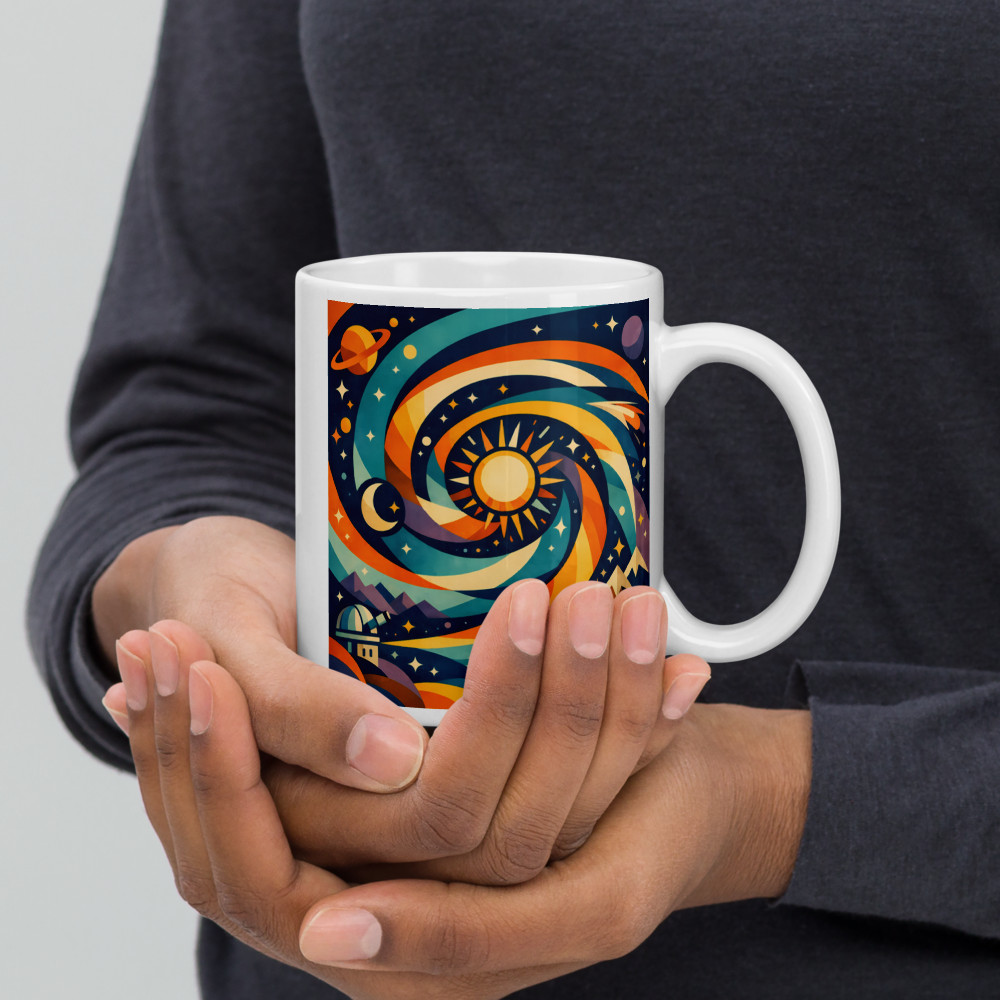
Why a Daily-Use Gift Beats Jewellery When You're Miles Apart
The problem with sending a present across a distance is that you're not really sending an object. You're sending a stand-in for yourself. Something that has to do the work of being present when you can't be. And most gifts, honestly, are terrible at this job.
Jewellery is the classic example. It looks brilliant in the box, it photographs well when they open it on a video call, and then — unless it's something they'd genuinely wear every week — it lives in a drawer. Or worse, a jewellery box inside a drawer. My mum has a small collection of pendants from birthdays past that she loves in principle and has worn maybe twice. Same story with fancy scarves, ornaments, anything that requires an occasion.
What actually works, in my experience, is something the person touches every single day without thinking about it. A mug they reach for at 7am. A t-shirt that ends up in the regular rotation. A throw that lives on the end of the sofa. These things don't demand attention, and that's exactly why they end up meaning more over time — they become part of the furniture of someone's day, and you're quietly in there with them.
The case for the everyday object
Think about how you interact with a favourite mug. You use it first thing, half-asleep. You use it during the awkward mid-afternoon slump. You wash it up and put it back on the shelf where you can grab it again tomorrow. Over a year, that's easily 300+ small moments of contact. A necklace worn to three weddings can't compete with that on any honest measure of presence.
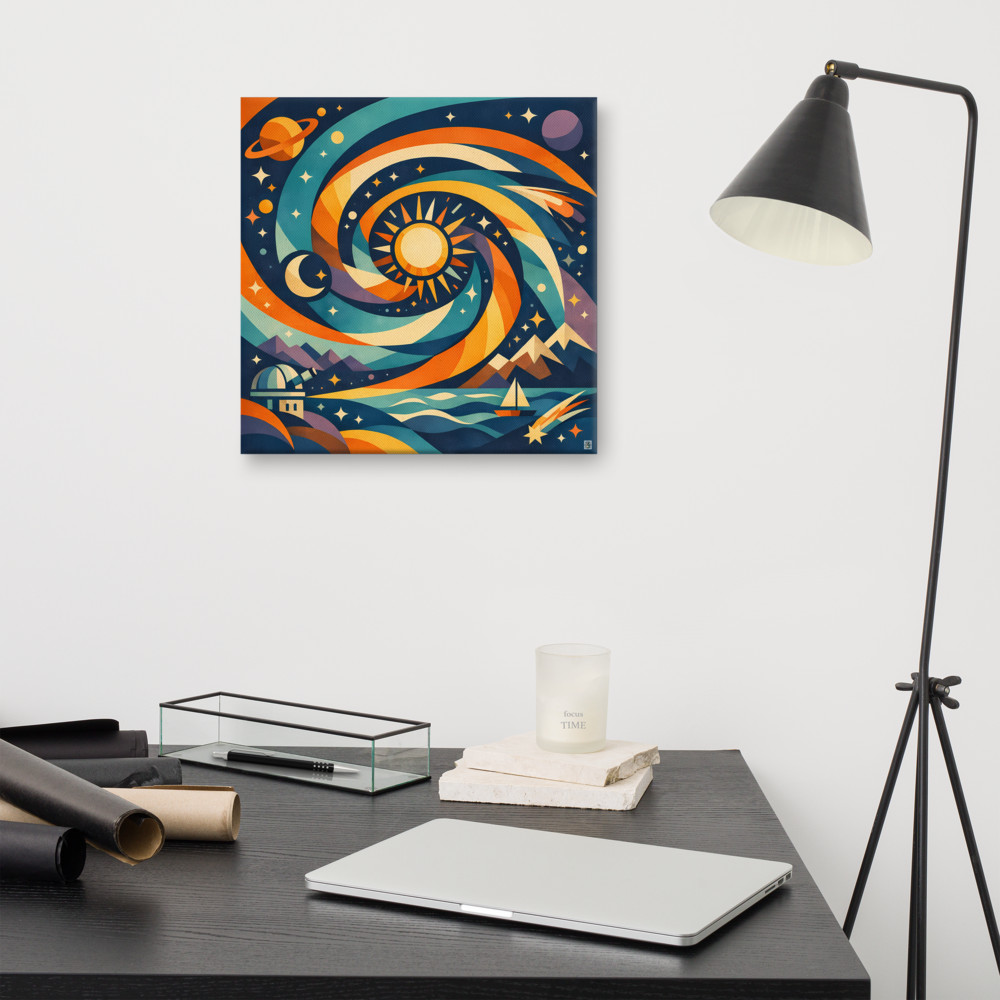
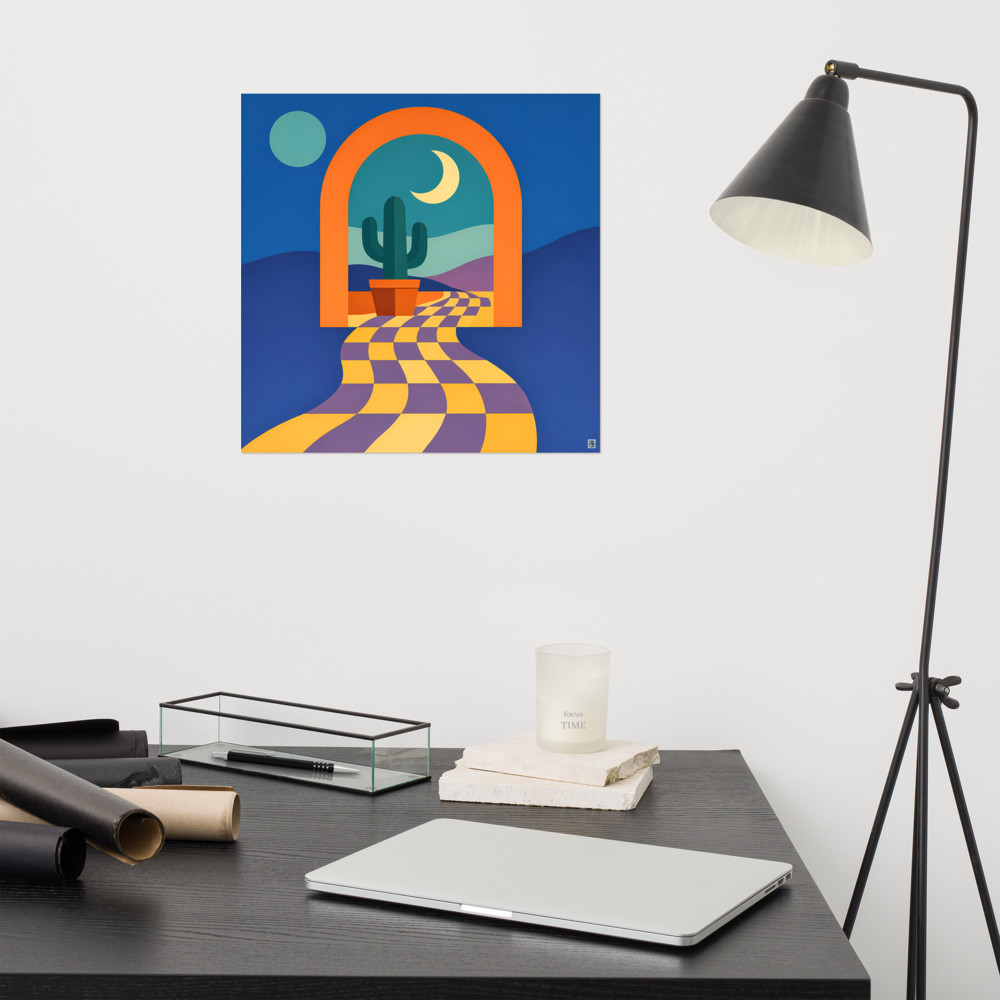
The same logic applies to a t-shirt someone actually likes the print of, or a throw blanket that ends up permanently draped over the reading chair. These things earn their keep by being useful, and the design or the story behind them layers on top of that. If you send someone a mug with a print like Night Passage because you both got obsessed with a particular stretch of coast one summer, they're not thinking about the ceramic. They're thinking about that week, every morning, for years.
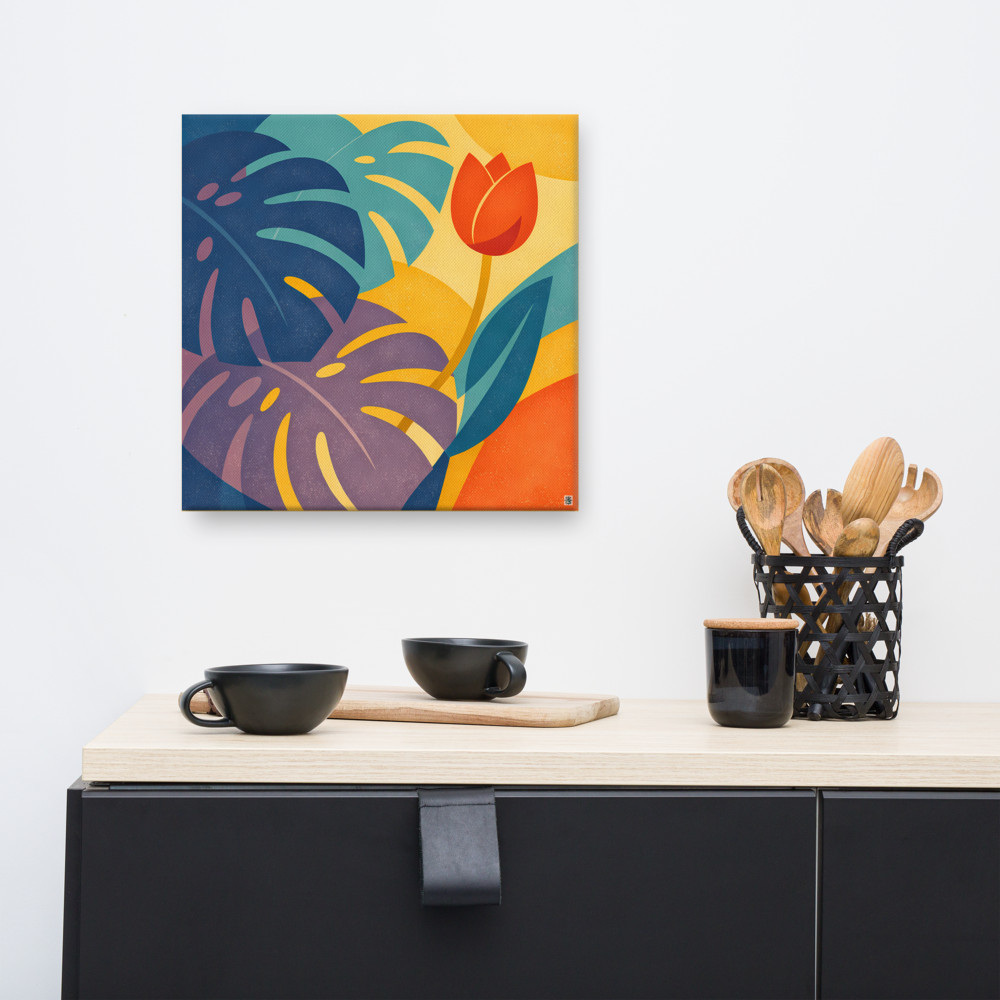
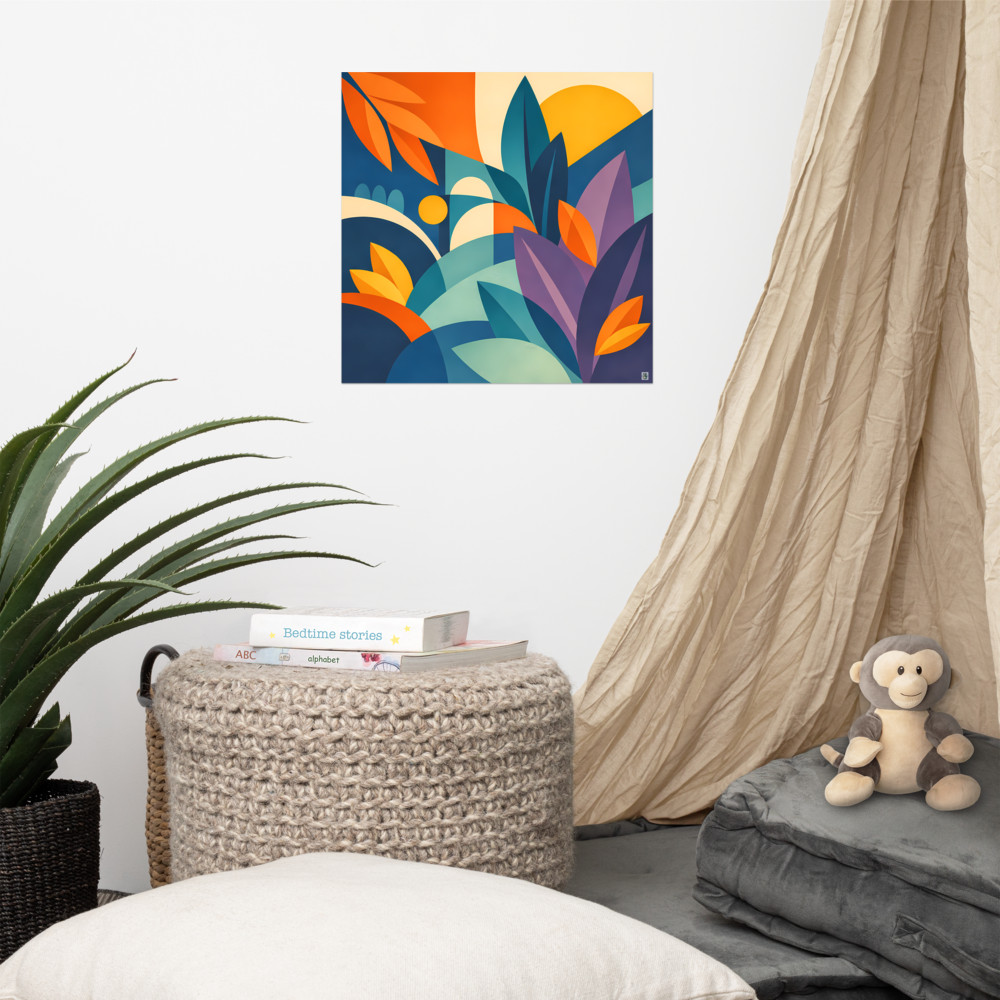
This is also why art prints work surprisingly well as long-distance gifts, provided you have some idea of the person's taste. A print goes on the wall and stays there. It's not seasonal, it doesn't need dusting like an ornament, and once it's framed it becomes part of the room. Something bright and botanical like Glasshouse Noon can sit above a kitchen table for a decade and get noticed daily without ever being fussed over.
Shipping — the boring bit that matters
Here's where it gets practical, because sending things across borders (or even just across the UK to somewhere rural) has real complications and it's worth knowing them before you commit.
Mugs and ceramics are the highest-risk category. Reputable shops pack them properly, but you're still trusting a courier not to drop a box from height. If you're shipping to somewhere with a rough parcel journey — international, remote, a flat with a dodgy delivery history — I'd probably lean towards a soft item like a t-shirt or a throw. They arrive folded and creased at worst. A cracked mug arrives cracked, and then you're apologising for a gift instead of giving one.
Canvas prints are surprisingly robust because they ship in sturdy tubes or reinforced boxes, but larger sizes cost more to send and can attract customs charges going abroad. Rolled paper prints are the cheapest and easiest thing to post internationally, and the recipient can get them framed locally — which often works out better than sending a pre-framed piece that might arrive with cracked glass.
A few things worth checking before you order:
- Estimated delivery windows, especially around Christmas when everything slows down by a week or two
- Whether the shop ships to the destination country at all (a lot don't post outside the UK/EU, or charge eye-watering fees when they do)
- Import duties and VAT — post-Brexit shipping to the EU can mean the recipient gets a surprise bill at the door, which sours the whole thing
If you're posting to someone abroad for a specific date, order at least three weeks out. Two if you're feeling brave. One if you enjoy stress.
Making it feel personal without overdoing it
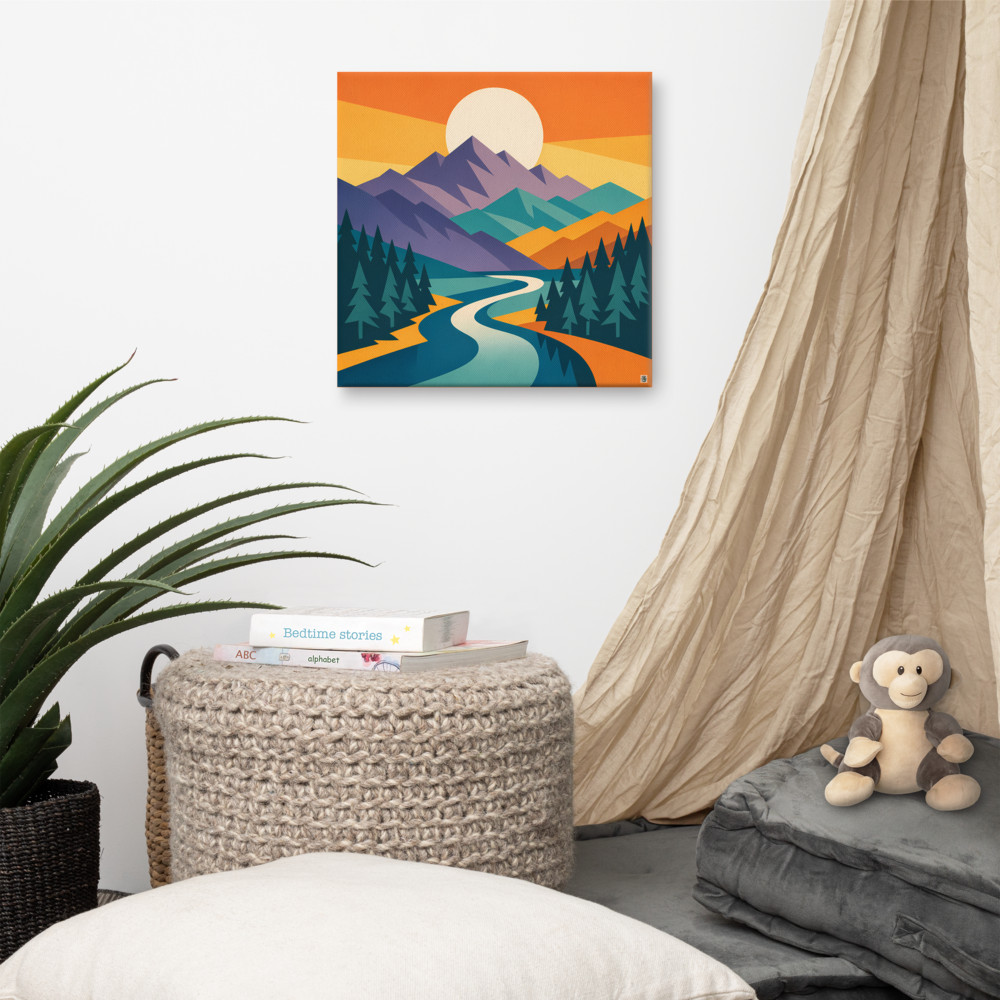
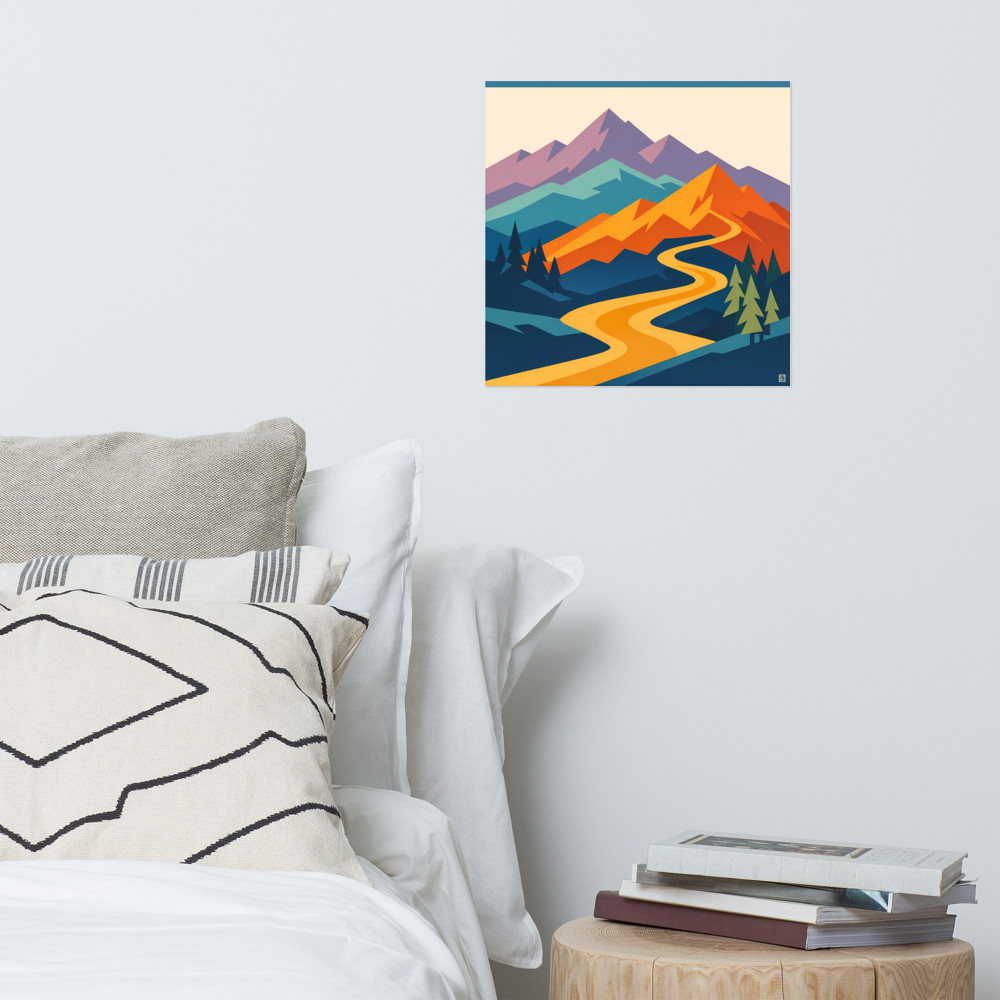
The risk with a practical gift is that it can feel a bit generic — a mug is a mug, right? The way around this is to pick something with a design that references a shared thing, or that suits their actual home rather than yours. If your sister's flat is full of warm tones and mid-century-leaning furniture, a mountainy geometric piece like Sunward Vale will slot in properly. If she likes cool blues and minimalism, don't send her that regardless of how much you like it. Gifts fail when they're really about the giver's taste.
A short handwritten note in the parcel does more heavy lifting than most people realise. Not a card with a printed message — a proper note, even three lines, saying why you chose this specific thing. That's the bit that turns a nice object into something they'll remember receiving, and it costs nothing to include.
The honest summary is this: distance makes big gestures tempting, because you feel like you need to compensate for absence. But small, useful, well-chosen things beat grand ones almost every time, because they show up every day rather than sitting in a box waiting for the right occasion that never quite arrives.
Related articles
Mentioned in this article