InkSmithery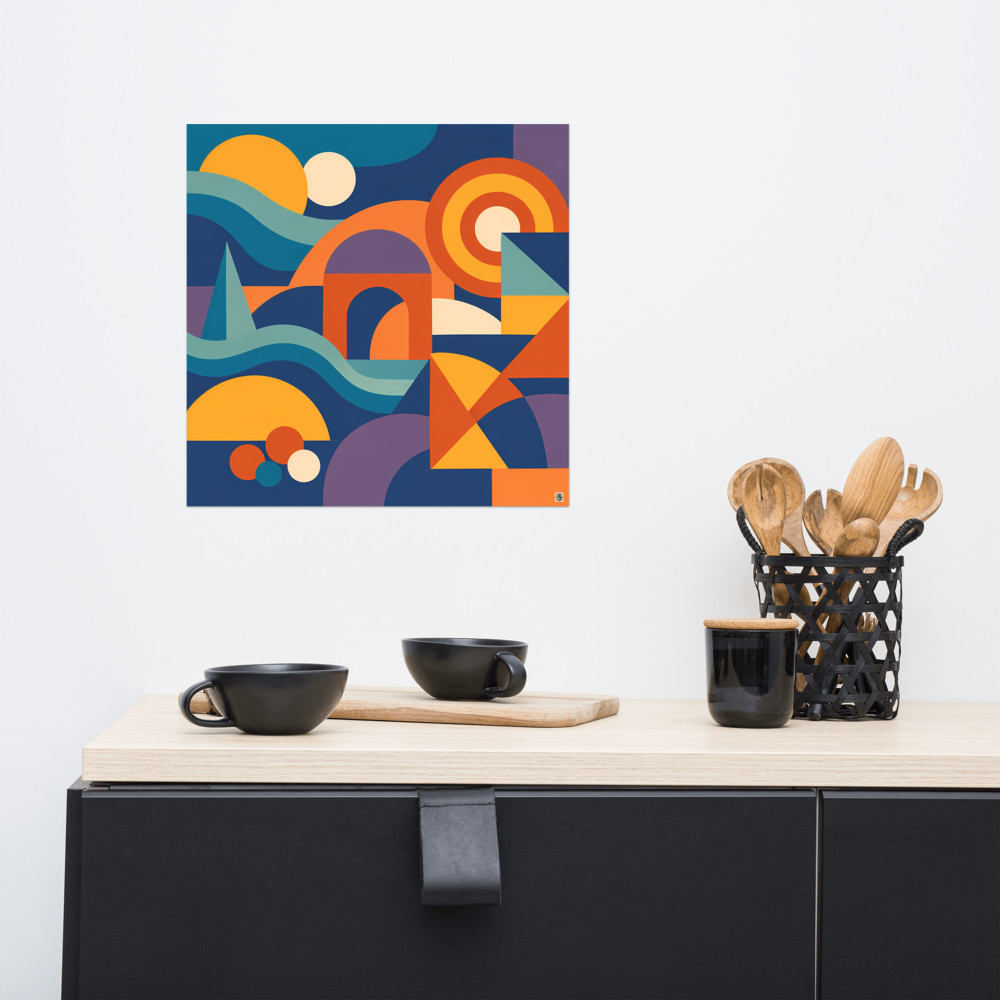
Bathroom Wall Art: What Actually Survives the Humidity
The honest answer to "can you put art in a bathroom?" is: usually you shouldn't. Not because it looks wrong — a well-chosen print above a bath can be lovely — but because most art quietly falls apart in there. Paper cockles. Frames warp. Mounts grow a soft grey bloom you'll notice about six months in, by which point the damage is done.
I don't want to talk anyone out of decorating their bathroom. I just want to be honest about what tends to work and what tends to end in the bin.
What humidity actually does to art
A bathroom is a small room that gets briefly tropical, several times a day, for years. When you run a hot shower, humidity can hit 90-plus per cent for twenty minutes. Then it drops. Then it does it again the next morning. That cycle — wet, dry, wet, dry — is what wrecks things. A single steamy shower isn't the enemy. The repetition is.
Here's what tends to go wrong. Paper absorbs moisture and expands, then contracts as the room dries out, and after enough cycles it ripples permanently (framers call it cockling). Wooden frames swell at the joins and can split. Cardboard backing boards soak up moisture like a sponge and start feeding any mould spores that fancy a home. Inks on uncoated paper can bleed or fade, especially if there's any direct sunlight through a bathroom window. And the mount board — that lovely off-white border around a print — is often the first thing to yellow or spot.
Canvas doesn't escape either, by the way. It's more forgiving than paper in the short term, but the stretcher bars behind a canvas are raw wood, and raw wood loves to warp. A canvas that lived happily in a hallway for three years can go slightly banana-shaped after a year over a bath.
The bathrooms where art is actually fine
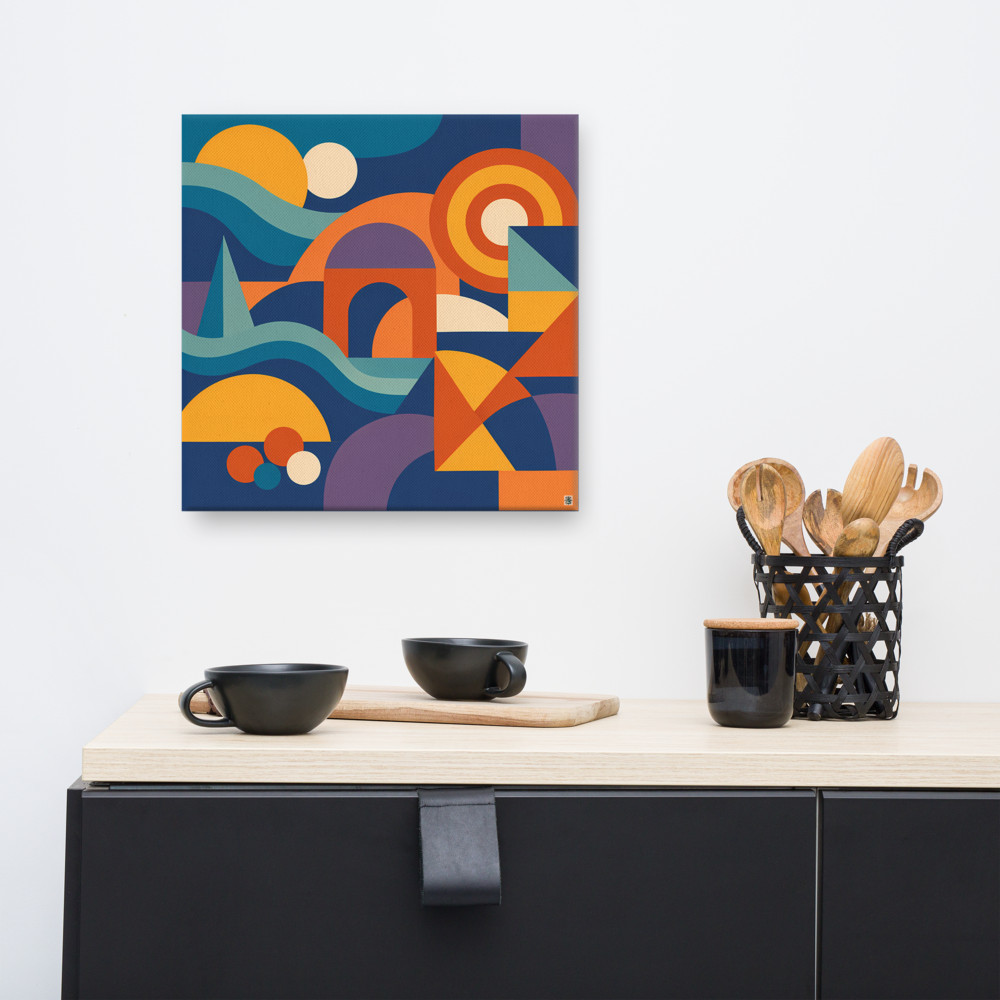
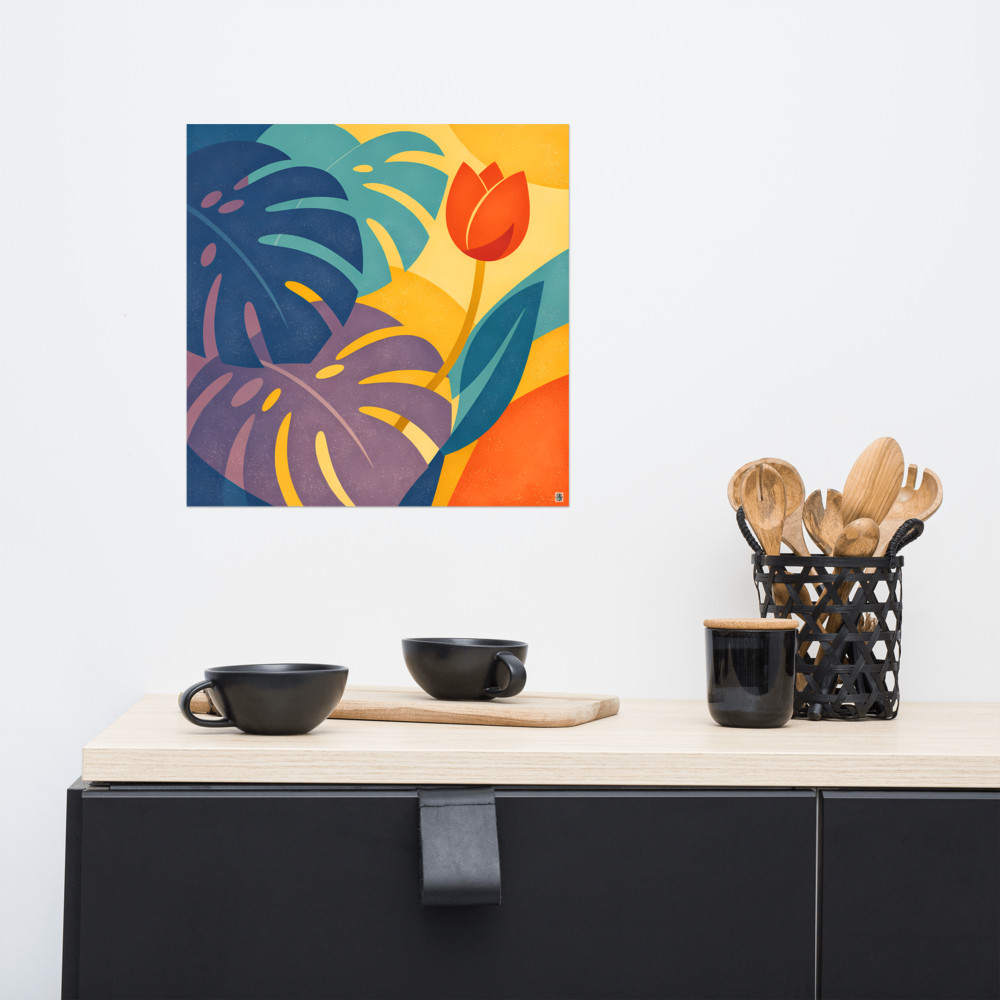
Big difference between bathrooms. A downstairs loo or cloakroom with no shower and no bath? Functionally a normal room. Hang whatever you like in there. Genuinely. It's one of my favourite places to put something a bit bold or unexpected, because guests spend a weirdly long time in there staring at the walls. Something graphic and confident like Harbour Mirage works well because the space is small and you want the eye to land somewhere deliberate.
A family bathroom with a bath but decent ventilation — extractor fan that actually works, a window that opens, and the habit of using both — is usually fine for a properly framed print, hung well away from the bath itself. On the wall opposite the shower, near the door, above eye level. Not directly above the tub, not next to the shower screen.
A wet room or an en-suite with a walk-in shower and no window is where I'd draw the line. In my experience nothing paper-based survives long-term in a room like that. If you want art in there, you're looking at ceramic tile prints, aluminium, or accepting that whatever you hang is essentially disposable and treating it that way.
What materials actually cope
Framed prints behind glass, properly sealed, are the best of the paper-based options. The key word is sealed — meaning the frame has a proper backing that's taped around the edges, not just a bit of MDF pressed in with metal tabs. Ask a framer for a moisture-resistant seal if you're getting something framed specifically for a bathroom. It costs a few pounds more and it's the difference between a print lasting two years and lasting fifteen.
Acrylic glazing (sometimes called perspex) instead of glass is worth considering too, mostly because if it does ever fall, it doesn't shower a wet floor in glass shards. It's also lighter, which matters when you're drilling into tiled walls or plasterboard that's already been through a few decades of steam.
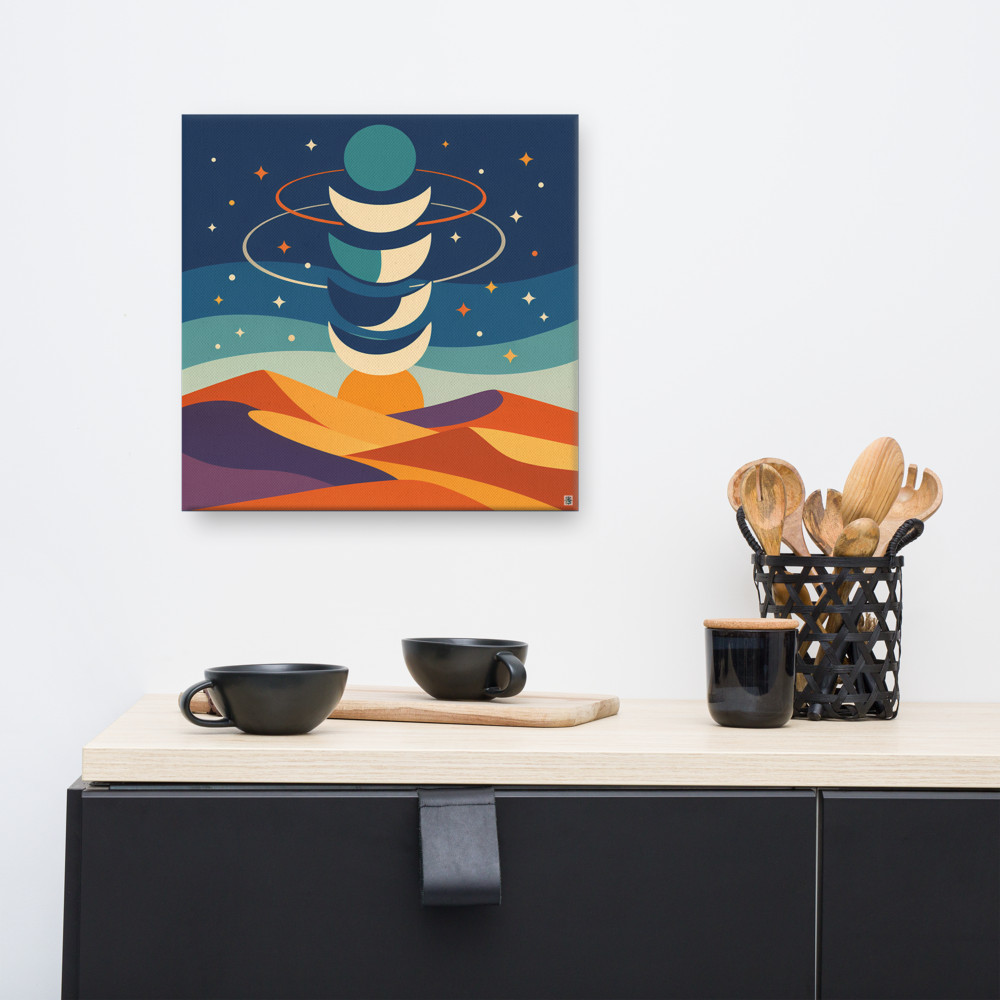
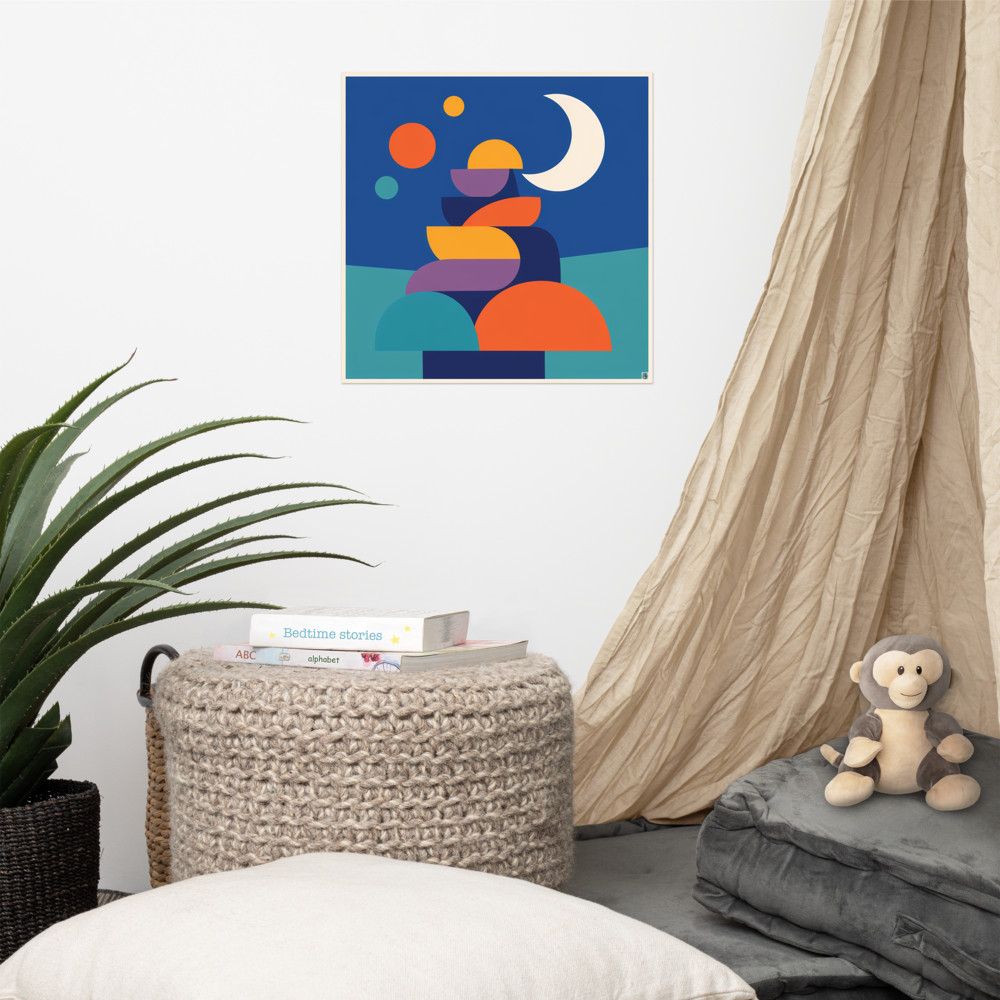
Aluminium prints — where the image is printed directly onto a coated metal panel — are genuinely the most humidity-tolerant thing you can hang. No paper, no wood, no glass. A geometric piece like Mirage Rise on aluminium would happily live above a bath for years. The downside is they can look a bit cold and clinical in the wrong room, and they're not cheap.
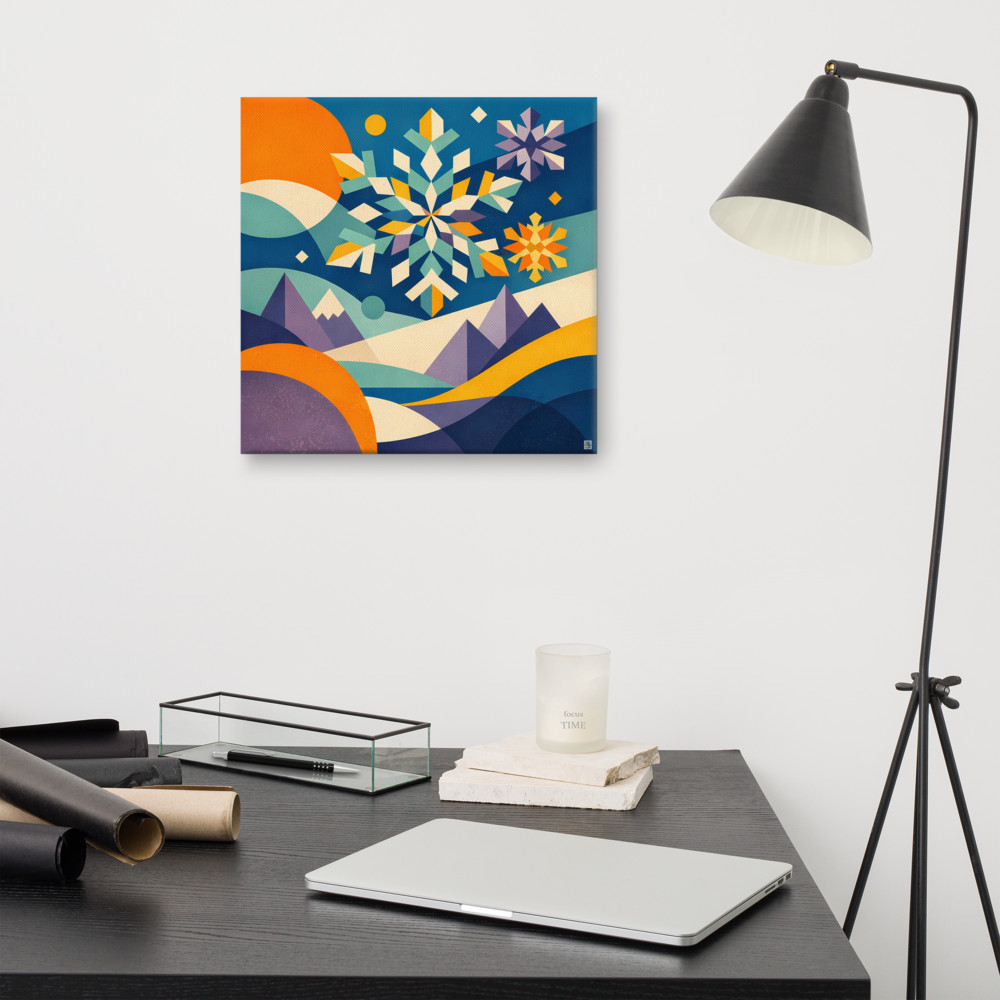
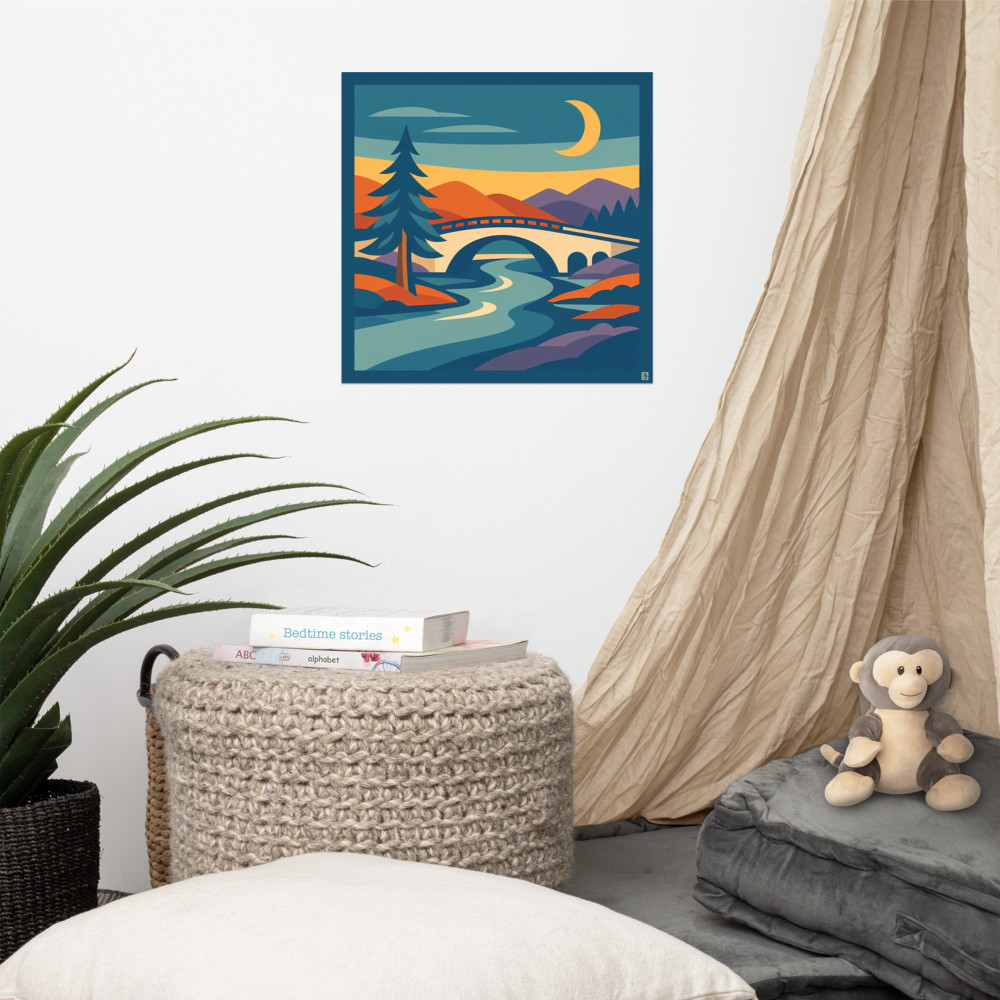
Canvas prints I'd cautiously say yes to, but only in bathrooms with proper ventilation, and only if you're prepared to check the back of the frame every few months for any damp patches on the wall behind it. Something like Northern Drift in a well-ventilated bathroom would probably be fine. In a windowless en-suite, less so.
What I'd avoid entirely: unframed prints (obviously), anything with a paper mount that isn't sealed, original artwork of any kind (watercolours, pastels, anything on paper you actually care about), and vintage or antique frames where the seal is decades old and definitely compromised.
The boring stuff that makes the difference
If you're going to hang something in a bathroom that sees regular showers, a few practical things help a lot. Run the extractor fan for at least fifteen minutes after every shower, not just during. Open the window if you have one. Wipe down the frame occasionally with a dry microfibre cloth — you'll see the moisture come off it and realise how much it's been dealing with. And hang the piece as far from the water source as the room allows, ideally on an internal wall rather than an external one, because external walls run colder and condensation loves a cold surface.
If your bathroom is small, poorly ventilated, and gets used for long hot showers by multiple people a day, my honest advice is a nice plant, a decent mirror, and save the art for a room that won't slowly destroy it.
Related articles
Mentioned in this article