InkSmithery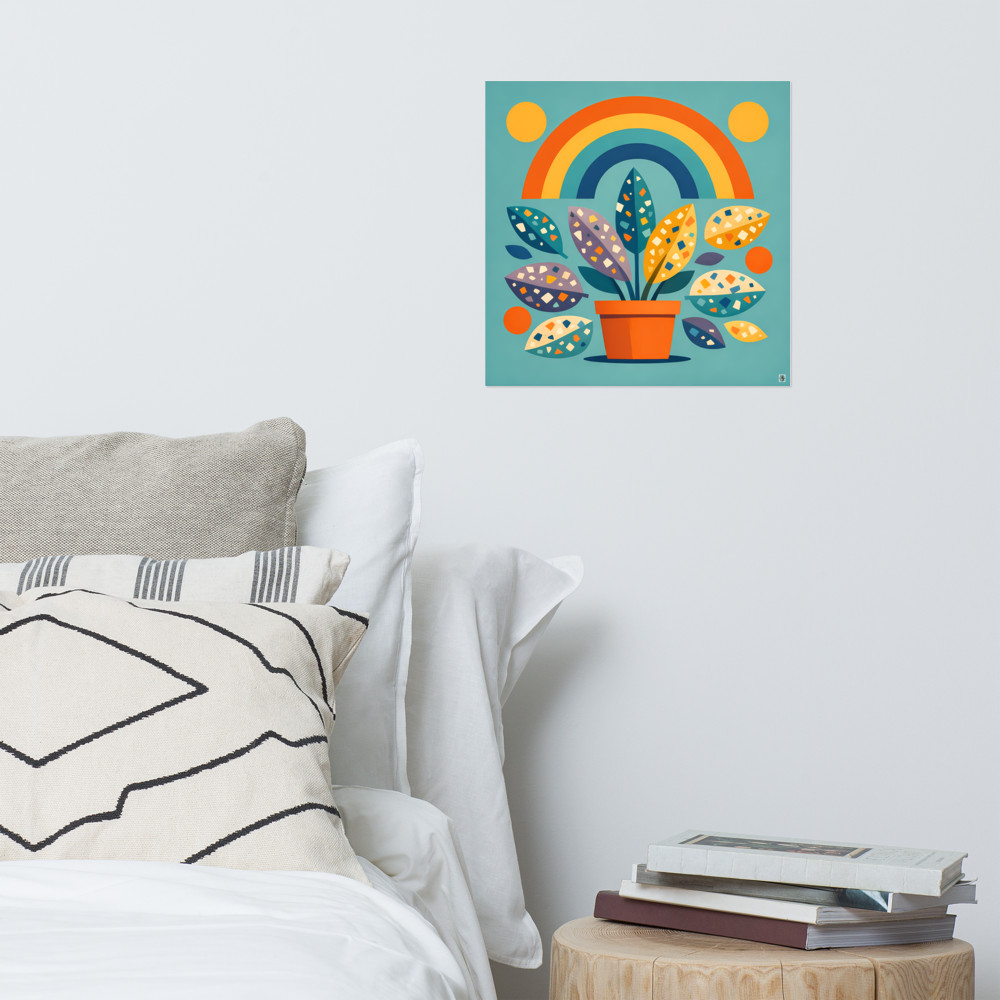
Cosy vs Cluttered: Adding Warmth Without Losing Space
There's a moment, usually in late October, where I look around my living room and can't tell if it's cosy or just messy. The throw on the sofa might be styling or it might be where I dumped it last night. The stack of books on the side table might be a thoughtful vignette or genuinely just admin I haven't dealt with. The line is thin, and I think most people get it wrong in the same direction — they keep adding.
The honest definition I've settled on is this: cosy is intentional, cluttered is accidental. Cosy is when every soft, warm, textured thing in the room was put there on purpose, by you, because it does a job. Cluttered is when stuff has just accumulated and you've stopped seeing it. The two can look surprisingly similar in a photo. They feel completely different to live in.
Warmth comes from texture and contrast, not quantity
The instinct, when a room feels cold or empty, is to buy more things. Another cushion. Another candle. A second small rug to layer over the first one. Sometimes that works. More often it just fills the room without warming it, and three months later you're wondering why it still feels off.
What actually creates the feeling of cosy is contrast. A nubbly wool throw against a smooth leather sofa. A matte ceramic mug on a glossy table. A bit of warm wood in an otherwise cool, painted room. You're giving the eye something to land on and something to rest against. Two or three good textures will do more work than ten mediocre ones.
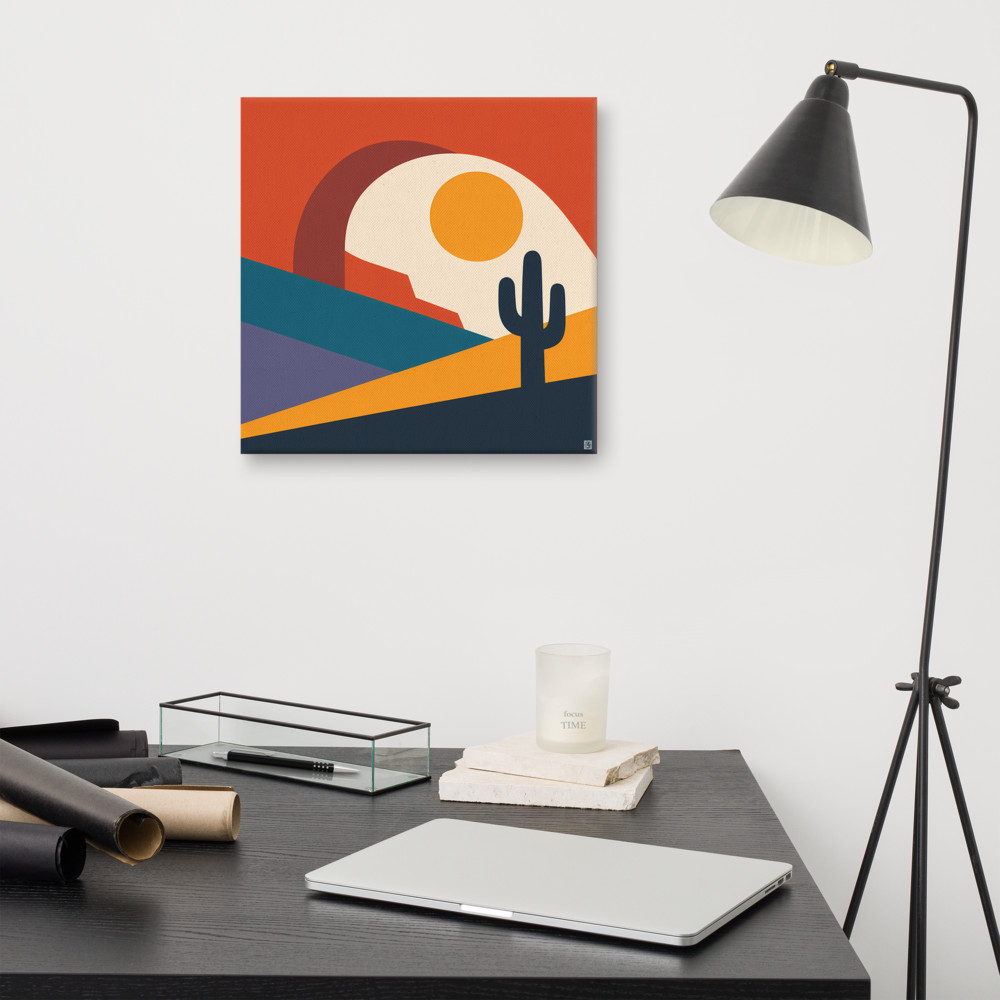
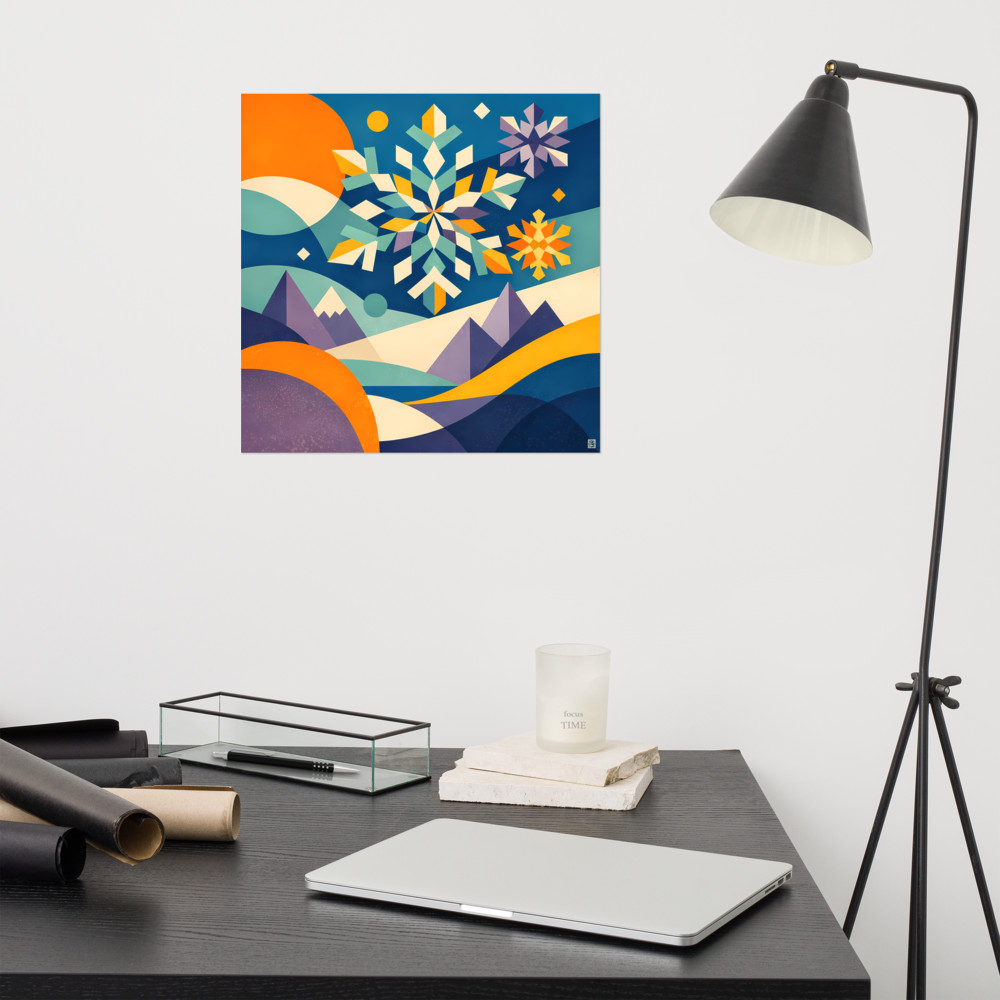
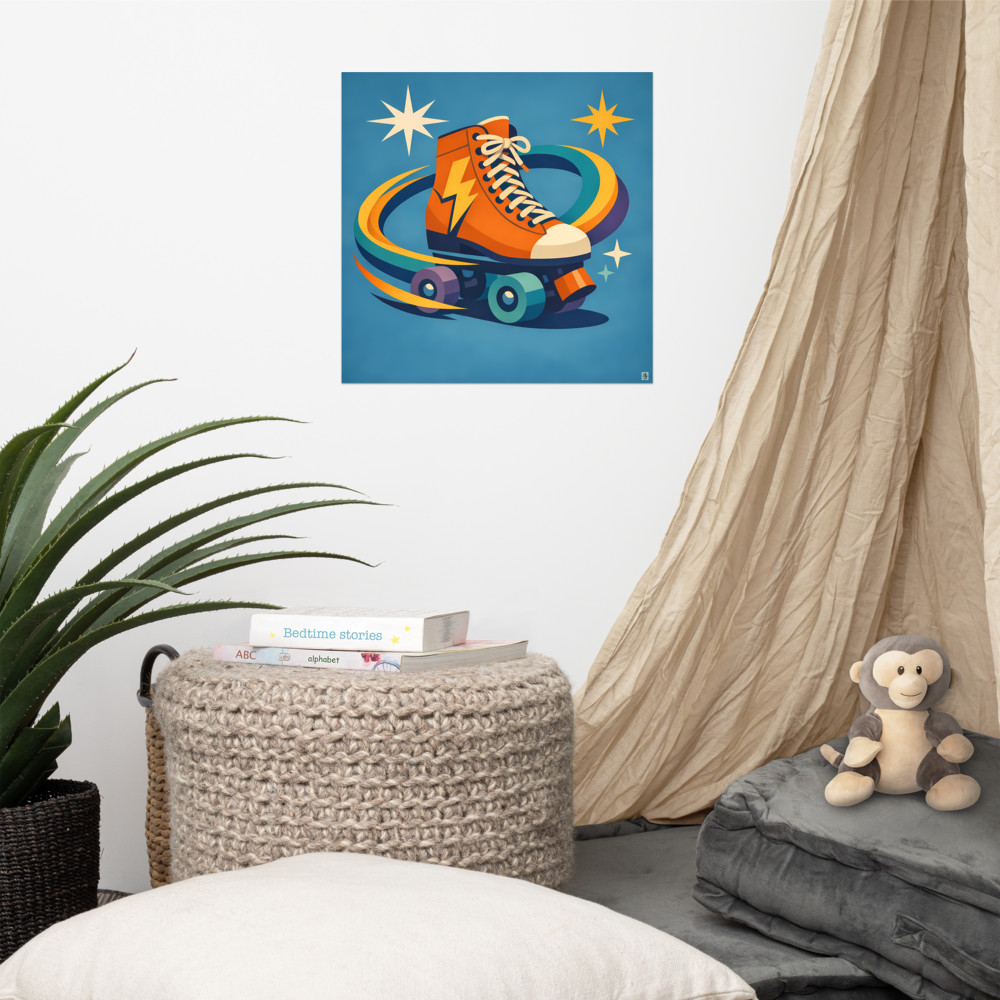
This applies to walls too. A single well-chosen print at the right size will warm a wall up more than a gallery of small framed bits competing for attention. If you've got a quieter, earthy piece like Mesa Quiet anchoring a wall, the room reads as considered. Six prints crammed above the sofa, half of them slightly off-level, reads as a project you abandoned.
The accidental cluttered look usually comes from three things
In my experience, when a room tips from cosy into cluttered, it's almost always one of these:
- Surfaces are doing too much. Side tables, mantelpieces, windowsills. If every horizontal surface has more than three or four objects on it, the eye has nowhere to rest. A clear bit of table is not wasted space, it's breathing room.
- Nothing has a frame around it. A grouping of three candles on a tray feels intentional. The same three candles spread across the table feels like you forgot to put them away. Trays, shelves, plinths — anything that visually contains a group — turn 'stuff' into 'a vignette'.
- Too many small things, not enough medium ones. Lots of trinkets, no anchor. One medium-sized lamp does more for a corner than four little tealights scattered around it.
The fix is rarely 'tidy up'. It's usually 'remove half, and group the rest'.
Scale is the part most people get wrong
Undersized art is the single most common mistake I see in otherwise lovely rooms. A 30cm print floating in the middle of a six-foot wall above a sofa isn't minimalist, it just looks like the picture is lost. Cosy rooms tend to have art that's generous in scale — something that fills roughly two-thirds of the width of the furniture beneath it.
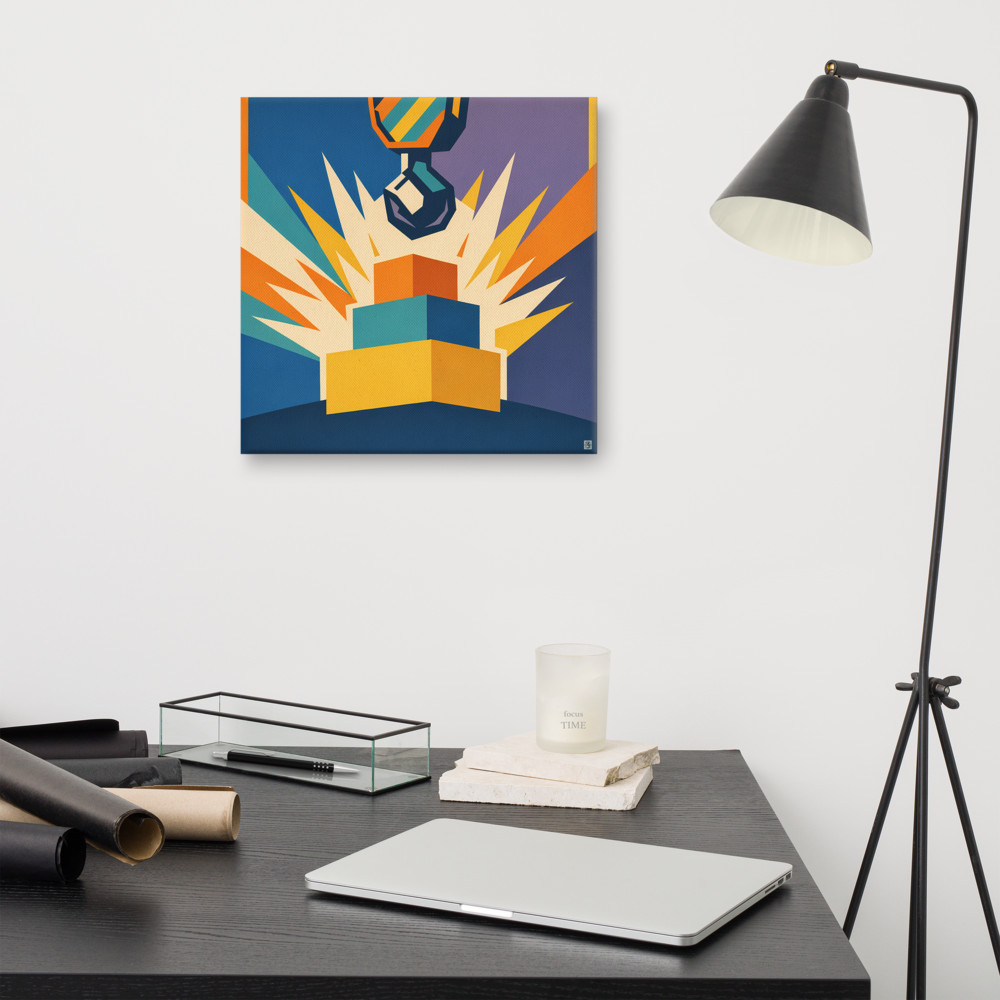
This is partly why one larger print often beats a cluster. If you've got morning light hitting a particular wall and you want it to feel warm rather than blank, something with real visual weight — a piece like Foundry Noon at a decent size, say — gives the room a clear focal point. The room can then quieten down around it. With six small bits, the room has to keep working hard.
Same logic with lamps, with rugs, with houseplants. One properly large rug that the front legs of all your furniture sit on will make a room feel grounded and intentional. A small rug that floats in the middle of the floor will make it feel temporary, like you're house-sitting.
Cosy is a verb, not a noun
The other thing I've come to believe is that cosy is something you do, not something you buy. It's the lamps being on by 4pm in winter instead of the overhead light. It's the throw being within arm's reach of the sofa, not folded perfectly on a chair you never sit in. It's a mug that you actually use, not one displayed on a shelf.
A room reads as cosy when it's clearly used and cared for by the person who lives there. That's why holiday rentals, however nicely styled, often feel slightly cold — nothing in them belongs to anyone. The same logic in reverse means your room can be quite sparse and still feel warm, as long as the things in it are yours and you actually engage with them.
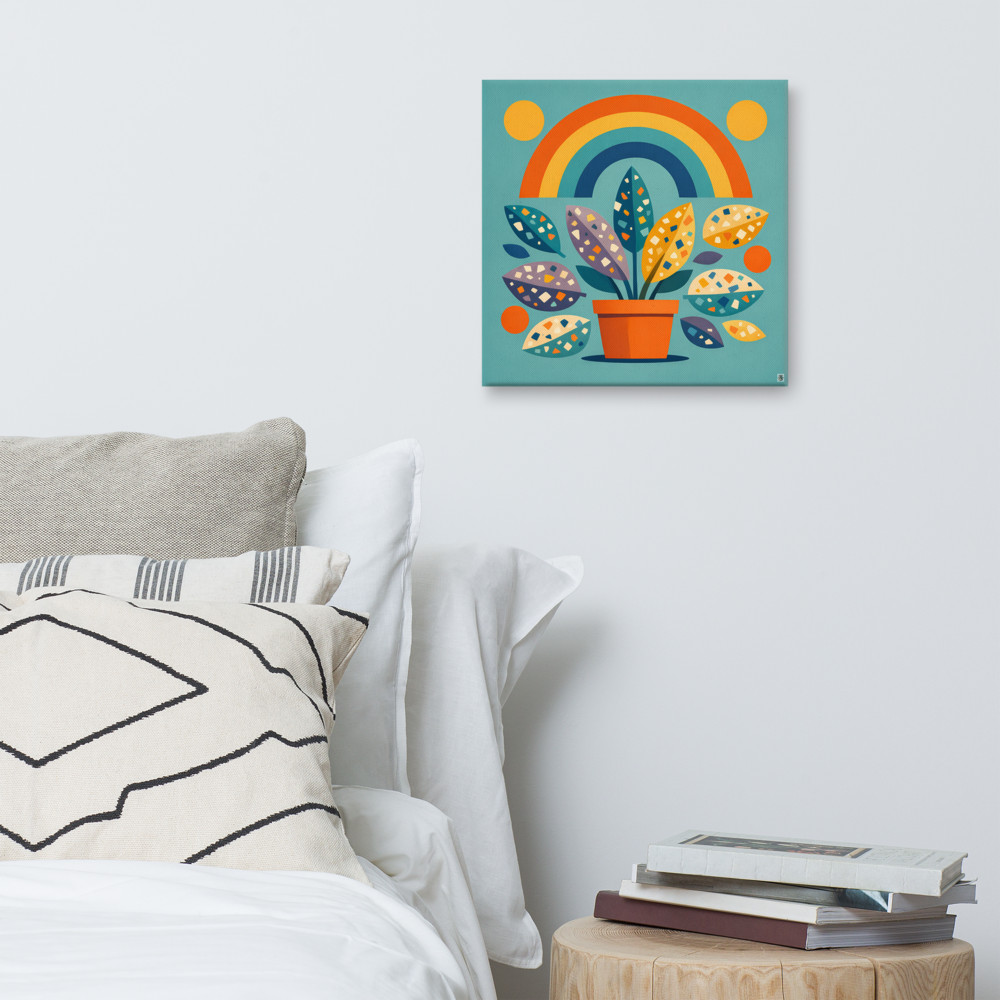
So when a corner feels a bit flat, I'd resist the urge to immediately add. Try moving the lamp closer to the chair. Try putting the book you're actually reading on the table instead of the decorative one. Try a single plant on a stool — a Sunlit Terrace print above a real trailing pothos creates a little vignette without needing five other elements to support it.
A quick test before you buy anything else
Before adding another cushion, candle, or print to a room that feels not-quite-right, it's worth standing in the doorway and asking: what's the one thing in here that's doing the most work? And what's the one thing doing the least? Usually the answer to the second question tells you what to remove, not what to add.
Cosy rooms aren't full. They're considered. The difference is whether someone chose every soft and warm thing in the room on purpose, or whether the room just slowly filled up while no one was paying attention.
Related articles

Mentioned in this article