InkSmithery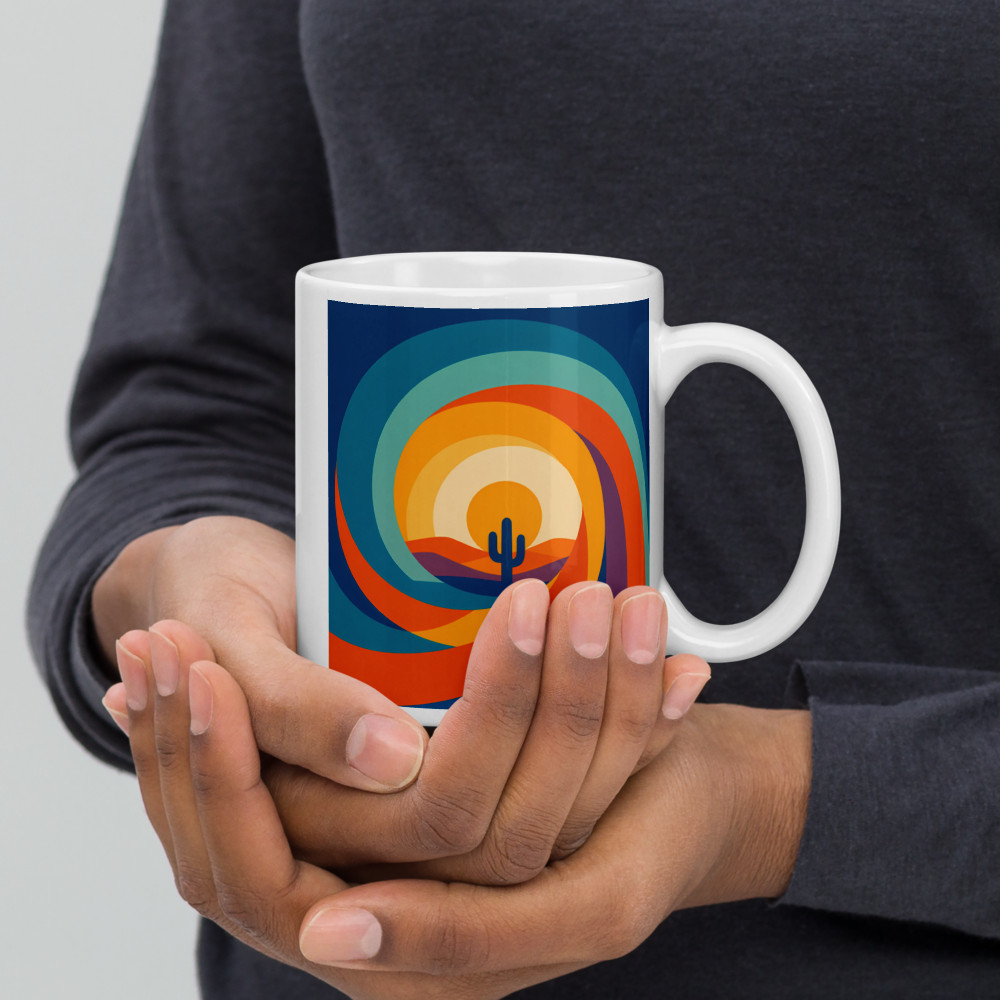
Thoughtful gifts under £30, and why specific beats expensive
There's a particular kind of panic that hits about a week before someone's birthday, when you've been meaning to think of something good and suddenly you haven't. The fallback is usually one of two things: spend more than you wanted on something generic but "nice", or grab something cheap that you know, deep down, is filler. Both feel a bit rubbish, honestly. The first because you're using money to apologise for not thinking hard enough, the second because the person on the receiving end can always tell.
I've been on both sides of this enough times to have opinions. The best gift I ever received cost about twelve quid. The worst cost roughly ten times that. And the difference wasn't taste or quality or wrapping — it was specificity. Someone had paid attention to me and bought a thing that proved it. The expensive one was a smart, anonymous object that could have gone to anyone with a pulse and a postcode.
So if you're working with a budget of £30 or under and worried it won't feel like enough, I'd gently suggest the budget isn't really the problem.
Cheap and frugal aren't the same thing
Cheap is about cost. Frugal is about value-for-thought. A cheap gift is one that's been chosen because it was the path of least resistance — bath set from the supermarket, novelty socks, a candle in a scent nobody asked for. It costs little and signals little. A frugal gift costs about the same but signals that you actually know the person. The price tag is identical. The reception isn't.
The trick, as far as I can tell, is to stop thinking about the gift as a category ("something for the kitchen", "a bit of decor") and start thinking about it as a sentence. What's the sentence you're trying to say about them? "You always come back from holiday talking about the desert" is a sentence. "She's been into anything geometric since uni" is a sentence. "He's the only person I know who genuinely enjoys winter" is a sentence. Once you've got the sentence, the gift more or less suggests itself.
This is why something like a print can punch well above its price. A wall print isn't expensive in absolute terms — you can get a really good one in the £15–£30 range — but it's something the person looks at every day, and if you've chosen it because it matches a thing they actually love, that fact gets re-noticed for years. Compare that to a £60 cheeseboard that goes in a cupboard.
Where to actually look for the specific thing
The hardest part of buying a thoughtful gift isn't the money, it's the search. The internet is designed for generic. Most gift guides are pitched at "a woman in her thirties", which is not a person. So you have to work backwards from what you already know.
A few things I try to ask myself before browsing anything:
- What's the last thing they got excited about in conversation? Not in a curated Instagram way — in a proper, unprompted, off-topic-at-dinner way.
- What's in their house already that they chose, as opposed to inherited or were given?
- What do they reliably notice when they're at other people's houses?
That last one is underrated. People telegraph their taste constantly when they're in other people's homes — they comment on the rug, the plants, the framed thing above the sofa. If your friend has ever stopped mid-conversation at a pub to point at the wall, you've got data.
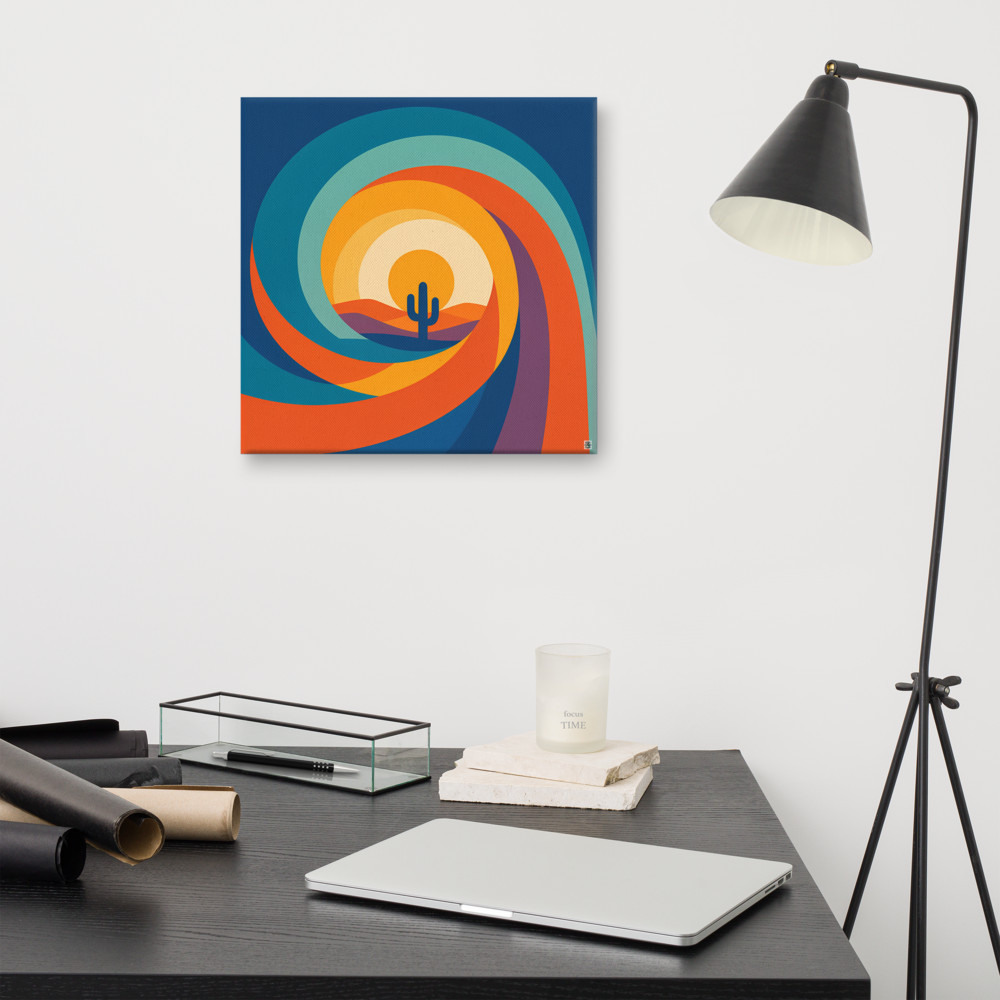
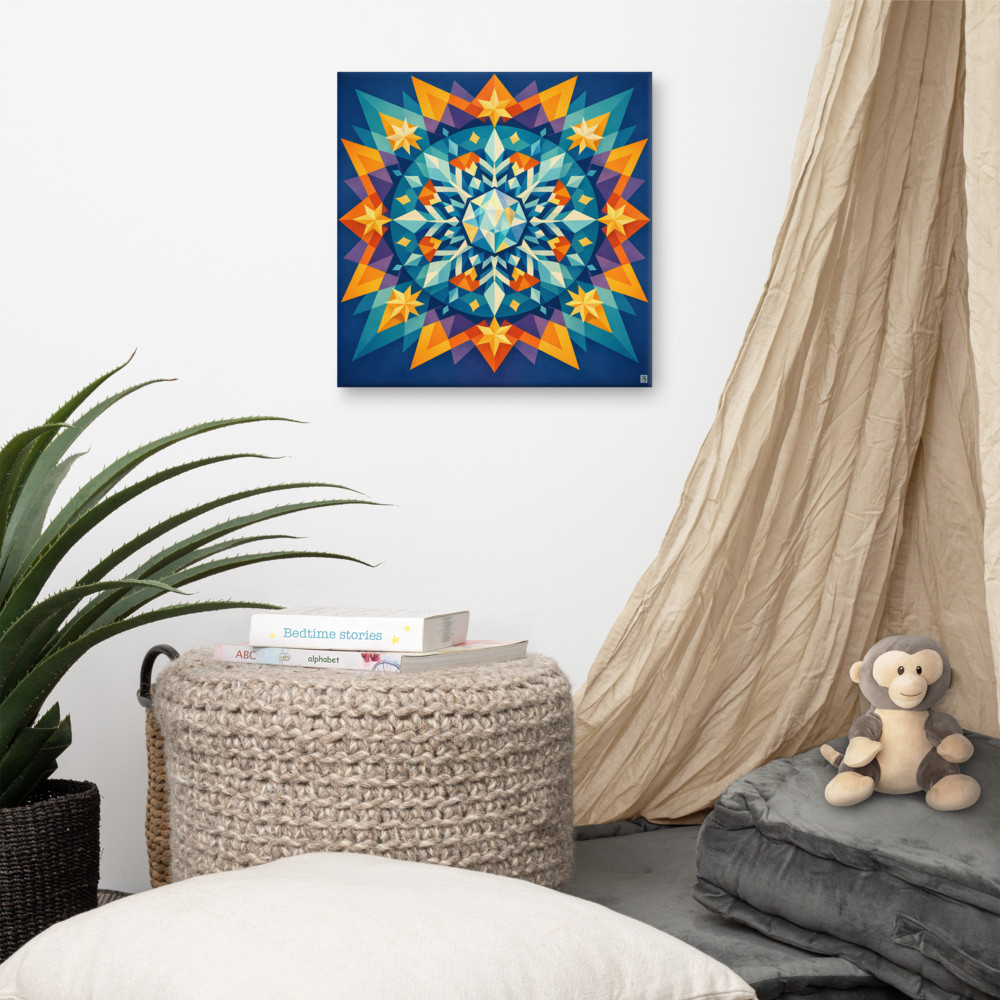
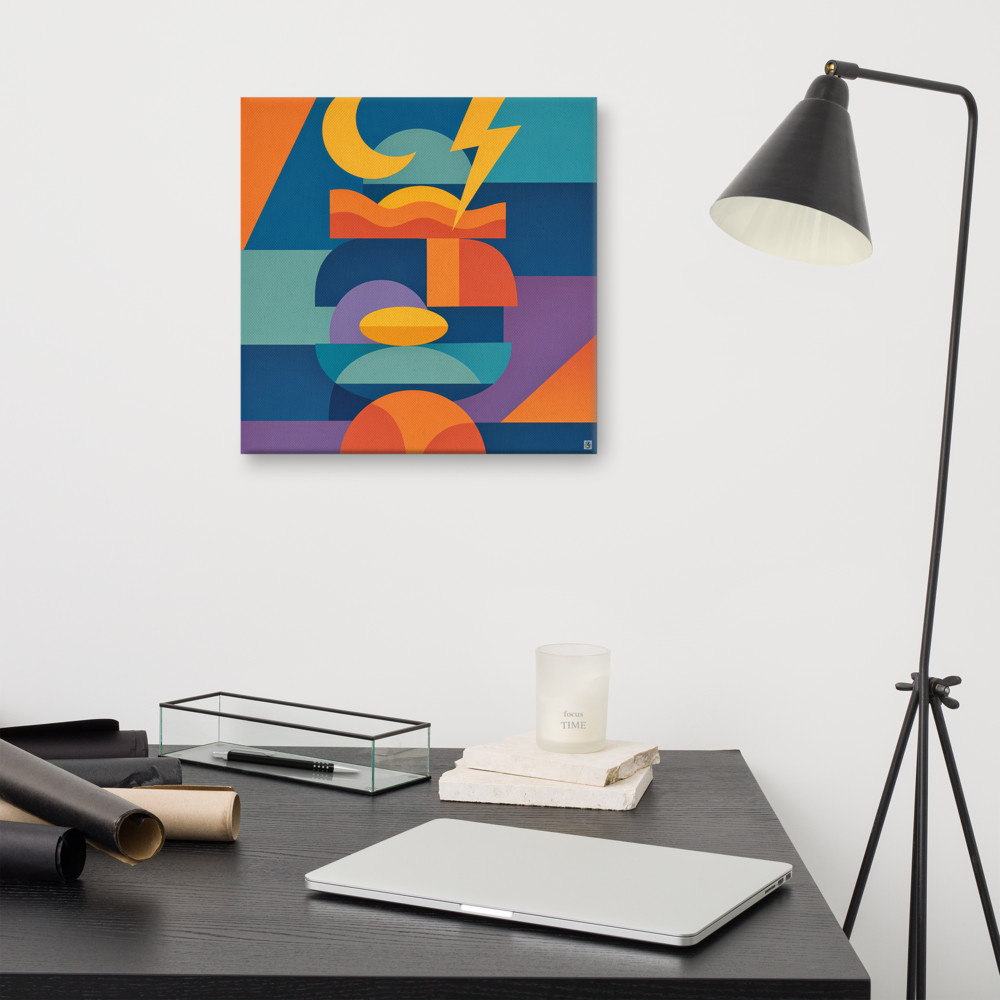
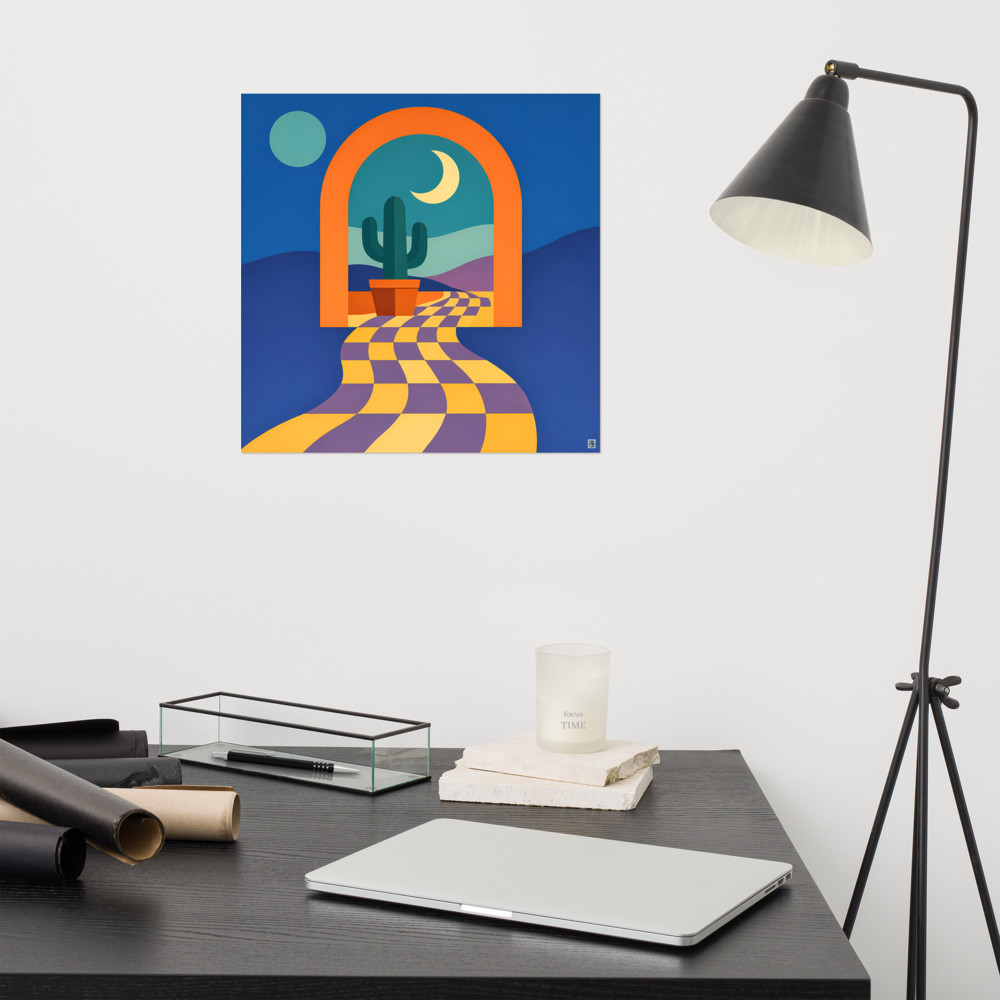
From there, the search gets a lot easier. If they're someone who lights up at deserts and warm tones and the kind of road-trip aesthetic that involves a lot of orange, then something like Dune Hollow is doing real work — it's specific, it sits in their world, and it's well under £30 for a decent-sized print. If they're the friend whose flat has been quietly accumulating geometric prints, ceramics with patterns, anything with symmetry — Northern Gleam is a more interesting choice than another candle. If they're into the celestial, slightly mystical, moons-and-weather end of things, Solstice Signal hits a very particular note.
The point isn't those specific prints. The point is that you can find a thing that says "I know you" for less than the cost of dinner out, if you've done the noticing first.
What makes a thoughtful gift under £30 actually land
A few patterns I've noticed in gifts that have landed well, mine or other people's:
They reference something the person said, not something the person is. "You mentioned you missed the sea" beats "you live by the sea". The first is listening. The second is just observation.
They don't try to be useful and meaningful at the same time. Useful gifts are fine but they evaporate — a nice spatula gets absorbed into the kitchen drawer of life. Meaningful gifts get displayed, kept, referenced. Pick a lane.
They're not apologetically small. If you're giving a £20 print, give it confidently in a card that says something real. Don't pad it out with three pound-shop bits to bulk up the parcel. The extras dilute the thought. One good thing, well chosen, with a sentence written down somewhere, beats a hamper of stuff every time.
And — this is the bit people forget — the wrapping does count, but not in the way Pinterest thinks. A piece of brown paper and a real handwritten note will beat eight quid of curated tissue and dried eucalyptus, because the note is the part that says you. The paper's just the paper.
The affordable meaningful gift isn't a compromise position you're settling for because you can't afford better. It's actually the harder thing to pull off, because you can't hide behind the price tag. You have to have paid attention. Which, when it works, is the whole point of giving someone something in the first place.
Related articles


Mentioned in this article