InkSmithery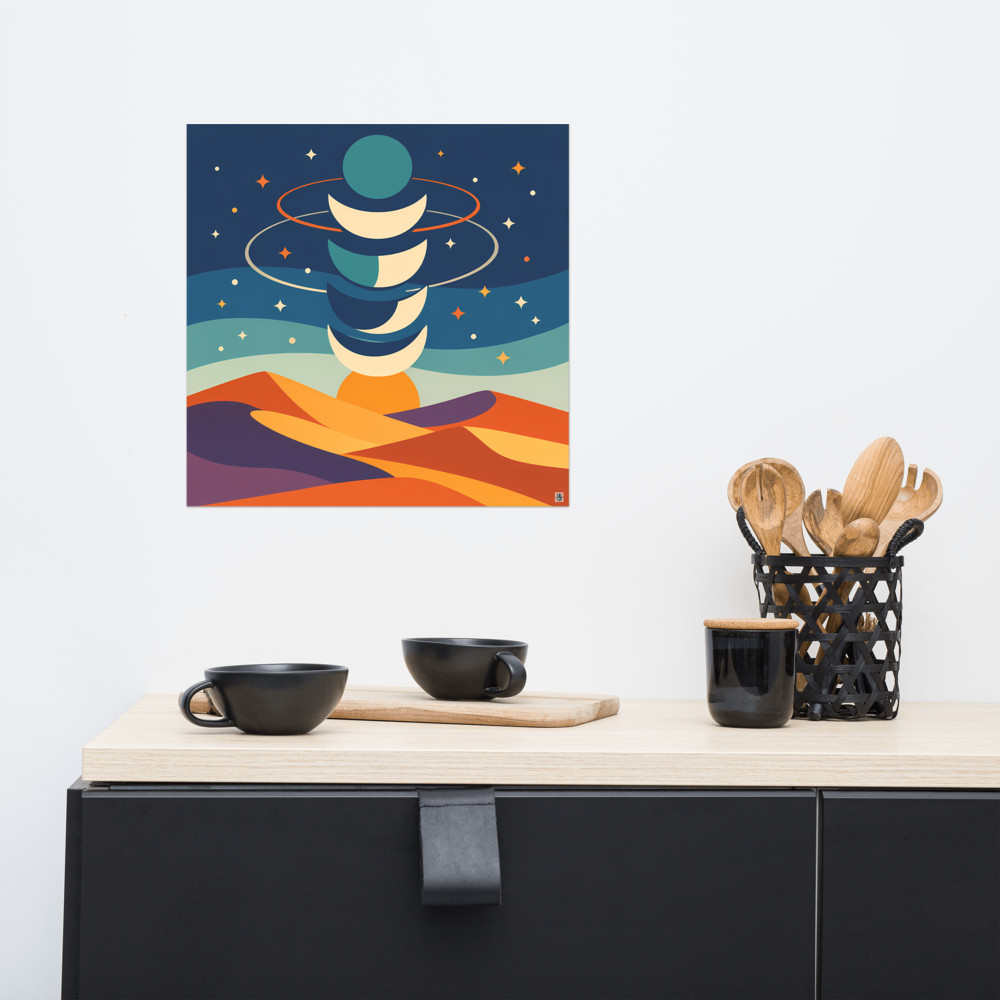
Making a Rental Feel Like Yours Without Drilling a Single Hole
Renting has its own peculiar frustrations, and one of the sharpest is walking into a flat that's magnolia from skirting to ceiling, with a landlord's inventory warning you against so much as a Blu-Tack smudge. You can't paint. You can't drill. You might only be there a year. And yet it's where you live, where you drink your morning coffee, where you have people round for dinner. It should feel like yours.
The good news is that most of what makes a home feel personal isn't architectural. It's the layers you add on top. Textiles, art, the specific mug you reach for before you've properly woken up — these do far more heavy lifting than a feature wall ever did. The trick with a rental is choosing things that can move with you and don't need permission.
Art, when you can't put a nail in the wall
This is the one that trips most renters up, because the conventional wisdom is always "hang a big piece above the sofa" and the conventional method involves a hammer. There are workarounds, and some of them are better than they get credit for.
Command strips genuinely work for anything up to about 2kg, which covers most framed prints at A3 and smaller. The honest caveat: they can lift paint on cheap landlord emulsion if you don't follow the removal instructions properly, so pull slowly and downwards, never yank. If your walls are the chalky kind that seems to shed paint if you look at it funny, lean art instead. A print propped on a mantelpiece, a chest of drawers, or a floating shelf you've installed with removable adhesive brackets looks considered rather than apologetic. Layering two pieces of different sizes, one slightly behind the other, is a nice look that reads as intentional.
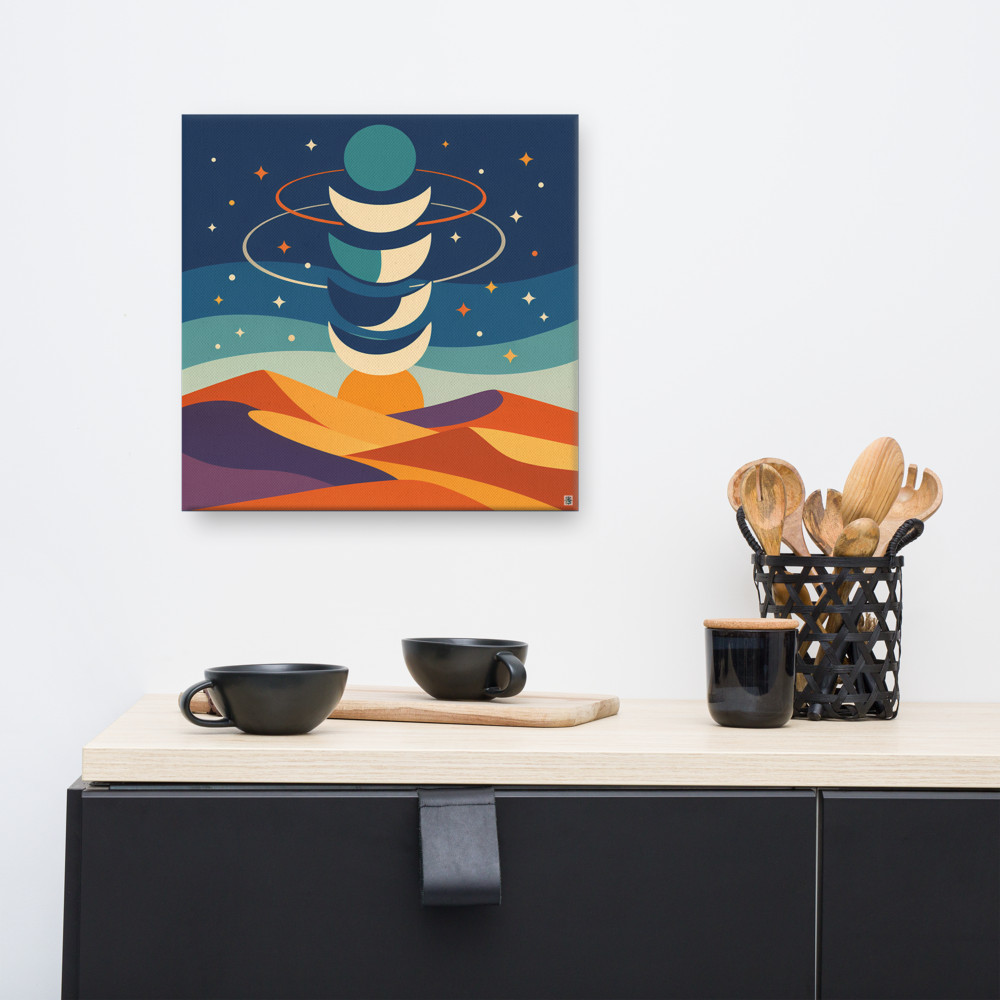
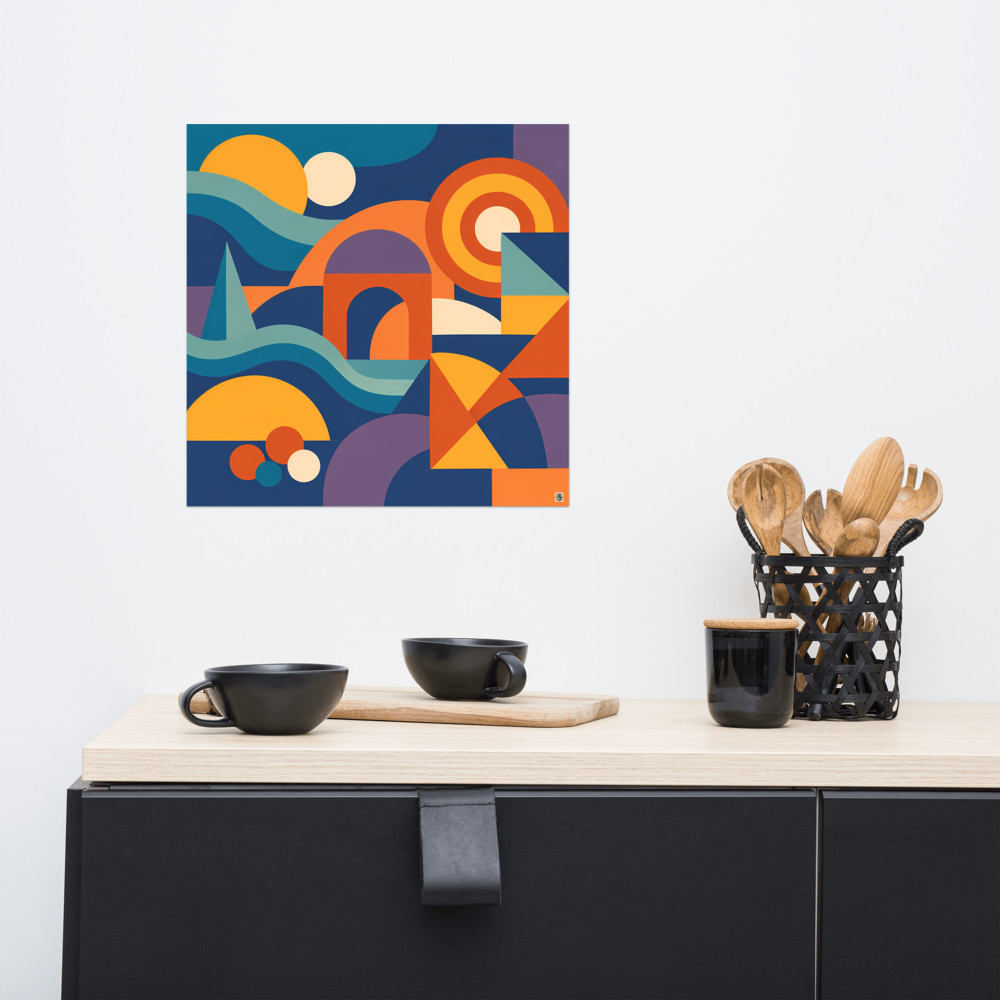
For the piece itself, go bigger than you think. A tiny A5 print lost on a wide wall shouts "temporary". Something like Mirage Rise at a decent size, leaning on a sideboard, does the job of a proper hung piece without any of the hardware anxiety. Picture ledges from most high-street stores can also be fixed with heavy-duty strips rated to around 7kg, which opens up gallery-wall territory without a single screw.
If you've got a mantel or a hallway console, that's prime real estate. One larger print, something smaller in front, maybe a small vessel or a stack of books. That's an arrangement. That's style, in a way that a lone framed poster isn't.
Textiles do the structural work
The fastest way to make a beige-carpeted, cream-walled room feel like a specific person lives there is to add fabric with opinions. A throw blanket draped over the arm of a landlord-supplied sofa changes the whole temperature of a room. Cushions in colours the sofa would never have chosen on its own. A rug large enough to actually anchor the furniture, not the sad little mat most people start with.
Curtains are worth mentioning here because landlord curtains are almost universally grim. If the pole is already up, you can usually swap the curtains themselves without touching the fixture, and nobody will know or care as long as you keep the originals folded in a cupboard for move-out day. Even just adding a pair of linen panels in a colour you actually like will shift the room more than you'd expect.
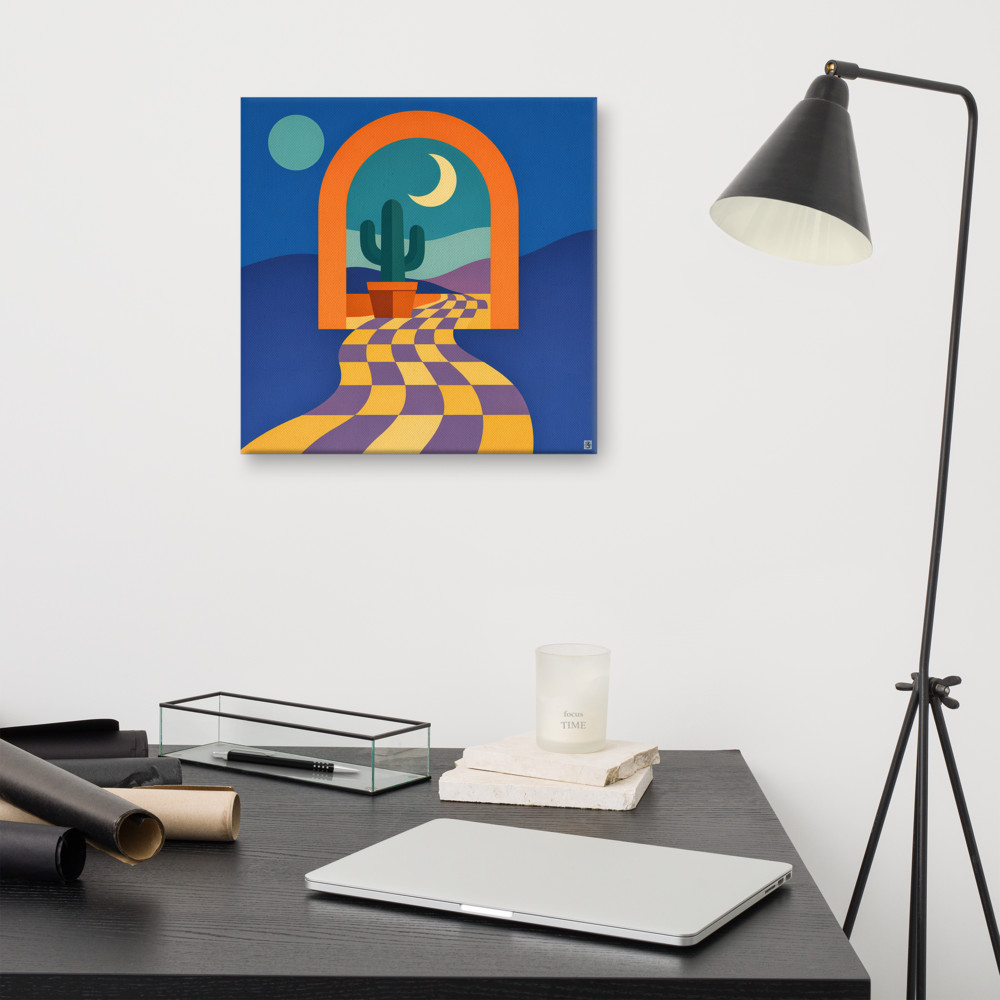
The underrated move is matching, loosely, the colours in your art to the colours in your textiles. Not matchy-matchy — just pulling one or two tones through so the room looks composed rather than accumulated. If you've got a desert-toned print like Dune Passage somewhere, a terracotta cushion or a rust-coloured throw across the room creates a quiet rhyme that your eye picks up without your brain having to.
The mug test
This sounds like a joke but I mean it. The objects you handle every single day are the ones that most reliably communicate "a person lives here, and this is who they are". Mugs are the obvious one because you use them more than almost anything else in the kitchen. A shelf of mismatched charity-shop finds says something very different from a row of identical white ones, which says something different again from one carefully chosen mug you actually like.
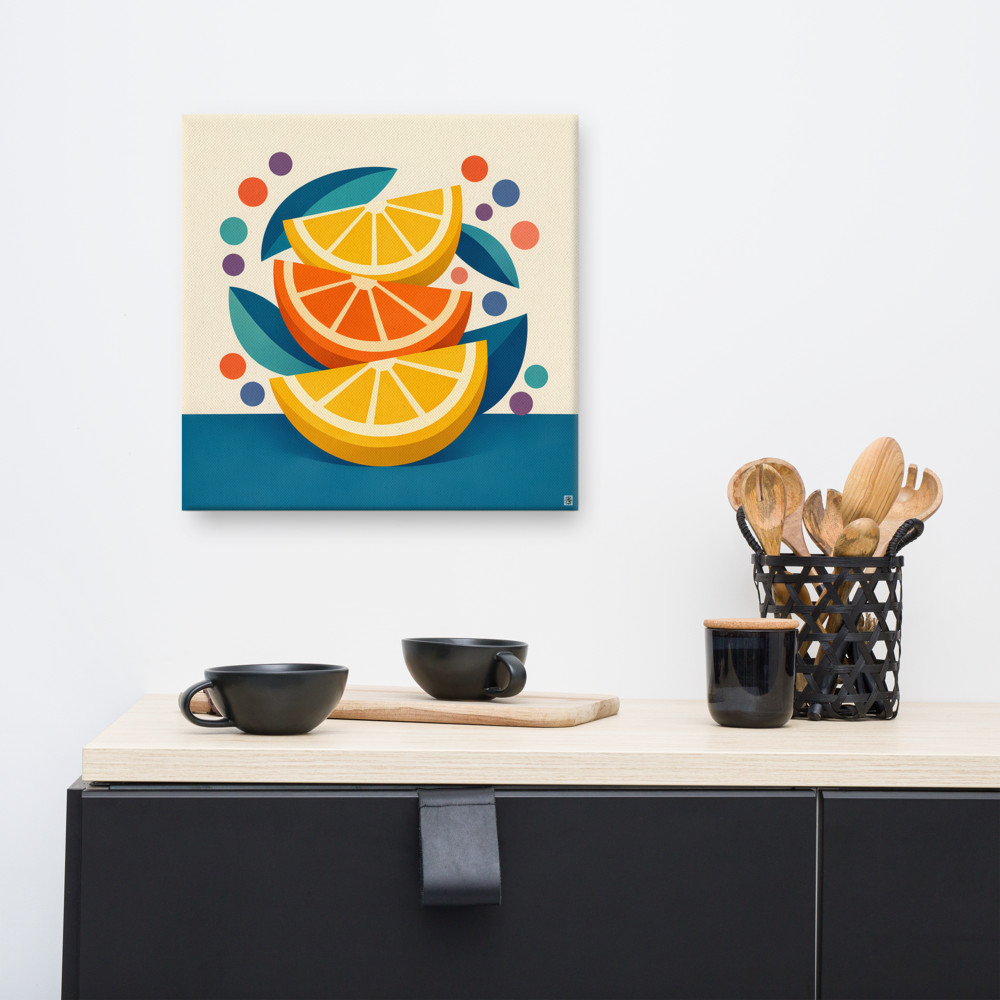
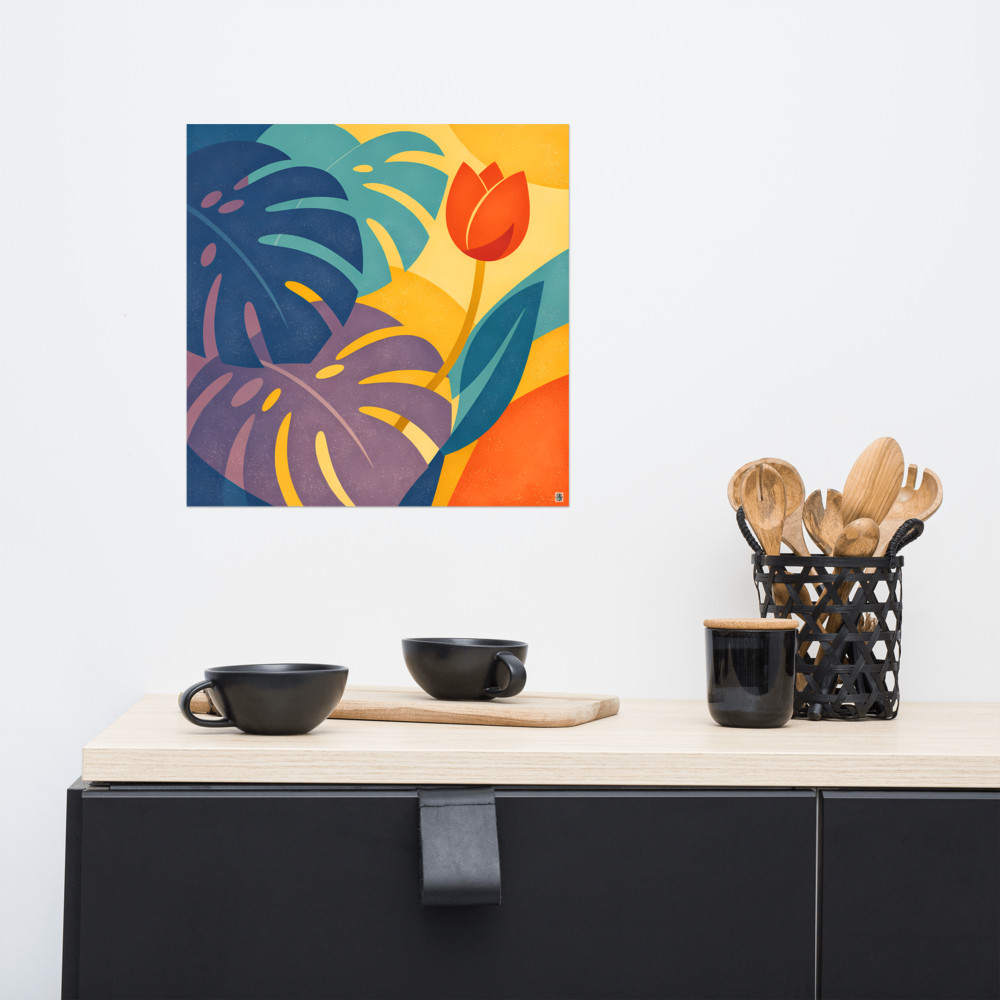
Same logic applies to the chopping board you leave out, the tea towel hanging on the oven handle, the fruit bowl. These things live in your eyeline constantly. A fruit bowl with actual fruit in it, next to a print like Market Noon on a shelf nearby, is the sort of small, deliberate pairing that makes a kitchen feel curated instead of just stocked.
The wider principle: in a rental, you can't change the bones, so you lean harder on the surface. Every object you choose to leave visible is a tiny decision about how the space reads.
What to actually spend money on
If budget is tight, and in a rental it often is because you're saving for something, prioritise the things that move with you. A good rug, two or three pieces of art you'll want for years, a decent throw. Skip the clever temporary wallpaper unless you're genuinely staying three-plus years — in my experience it's more faff than it's worth for a short let, and the removal rarely goes as cleanly as the product page suggests.
Lamps are another one worth the money. Overhead landlord lighting is almost always harsh and central. Two or three lamps at different heights around a living room — a floor lamp in a corner, a table lamp on a side table, maybe something low on a shelf — will do more for the atmosphere of the space than almost anything else on this list. Warm bulbs, obviously. 2700K or lower. The cold white ones that come pre-installed are part of the problem.
None of this requires a drill. None of it needs your deposit to be at risk. And all of it comes with you when the tenancy ends, which is the quiet luxury of renting done well — your home is portable, and it's whatever you've chosen to carry.
Related articles
Mentioned in this article